
Fast, Reliable Reconstruction & Cleanup Across Austell
Reconstruction and cleanup in Austell moves on one timeline: the faster a crew gets water out and framing dried, the less this costs you. We answer live at (888) 832-2758, and a certified crew reaches most Austell addresses within the hour. Our teams work the 30106 and 30168 zip codes every week, so we know what a 1980s brick-veneer ranch on a clay lot does when a polybutylene line lets go inside a wall. You don’t have to explain the area to us. You call, we get there, we start extraction the same visit, and we stay through reconstruction.
Why Floodline Restoration Co. of Atlanta Is Austell’s Preferred Reconstruction & Cleanup Company
Austell homeowners tend to stay put. Many of our customers have lived in their homes twenty years or more, and a lot of those homes were built between 1978 and 1995, when Cobb County suburban construction was moving at full speed west. That matters for reconstruction because it dictates what’s inside the walls and under the floors: polybutylene supply lines, minimal crawl-space vapor barriers, and framing that has to be handled differently than a new-build in Smyrna. We don’t treat Austell jobs like a generic water loss. We read the house first.
Our reconstruction crews have pulled saturated drywall on Maxham Road, handled flooring rebuilds near the Powder Springs Creek corridor, and re-set crawl spaces all through 30168. We know the red clay underneath those lots doesn’t drain. It holds water against foundations and slows drying down, which is exactly why we moisture-map the first day, run daily readings, and hand you the log before we ever hang new drywall. Curt Bowman, who founded Floodline in 2010, built the company around a dispatch board, not a sales desk. The 90-Day Done Right Promise applies to every reconstruction job we take in Austell, in writing, no argument. If it’s not done right, we make it right.
Our Reconstruction & Cleanup Services in Austell
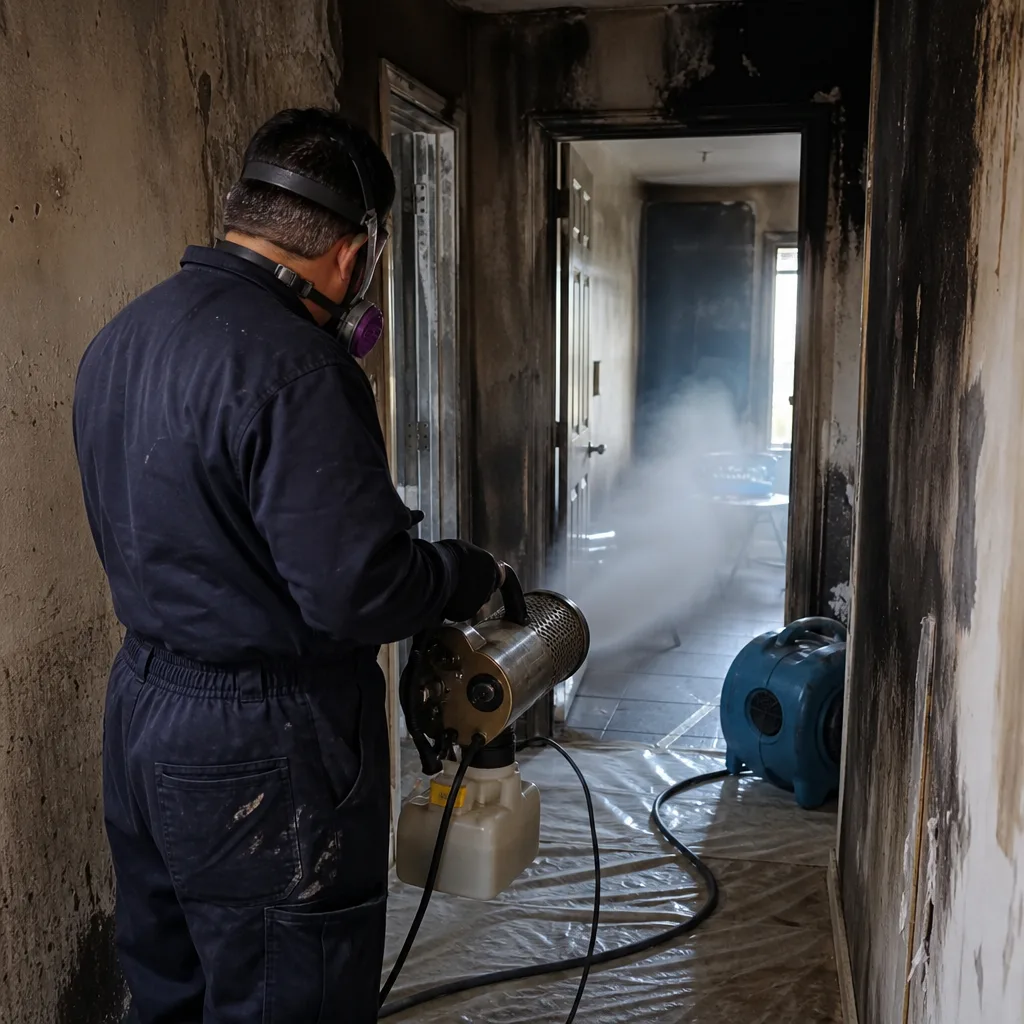
Our Reconstruction & Cleanup team handles the full cycle, so you’re not coordinating three contractors and an adjuster. We extract, dry, rebuild, and clean, with the same crew reading the moisture map from day one through final walk-through.
Full-Service Reconstruction
When a polybutylene line ruptures in a 1984 split-level off Austell Road, the damage is rarely just the visible burst. Framing soaks, subfloor delaminates, and the crawl space under the slab starts holding humidity. Full-service reconstruction here means we cut out damaged framing, replace it, re-hang drywall, re-set flooring, and address the vapor barrier underneath before we consider the job done. One visit can’t fix a month-old leak. Ours is scoped in writing, with a plan you approve before a saw comes out.
Drywall & Flooring Repair
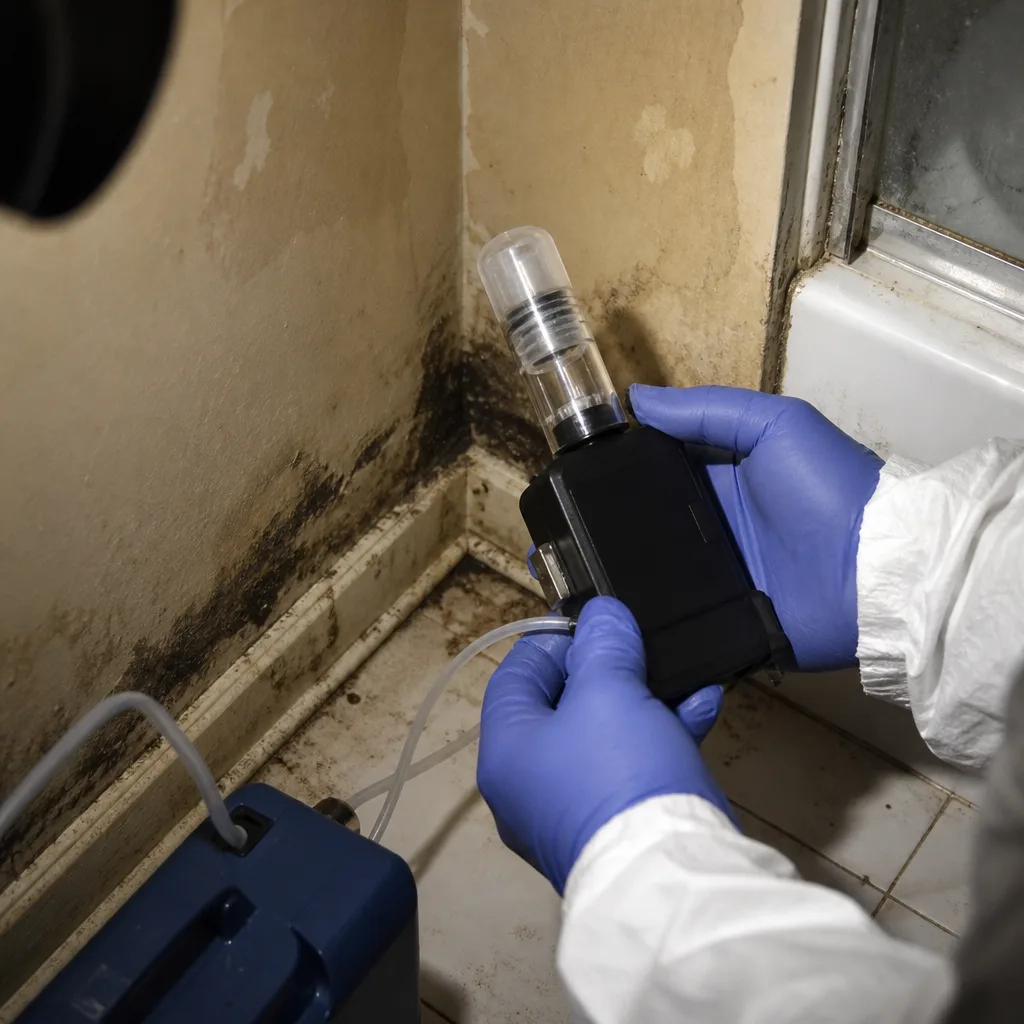
Austell homes built in the late 1970s and 1980s often have original flooring layered over particleboard subfloor, which swells fast once it’s wet. We see drywall wicking moisture two to three feet up from the baseplate even when the standing water was only a half inch. Our crews cut the damaged material back to the dry line, run professional-grade Dri-Eaz and Phoenix drying equipment until the dry standard is met, then reconstruct to match your existing profile. We stock the common trim profiles and drywall thicknesses for the ranch and split-level stock across 30106 and 30168, so matching isn’t a guess.
Contents Restoration & Pack-Out
Some Austell reconstruction jobs require moving furniture, heirlooms, and paperwork out before we can open walls and floors. We handle pack-out with an itemized inventory, photo documentation for your carrier, and climate-controlled storage until reconstruction is finished and we bring everything back. If your home is a 1990s brick ranch with a full finished basement holding family photographs and tax records, we treat every box like it’s our own. The same crew that packs out does the pack-in, so nothing disappears into a warehouse void.
Carpet & Upholstery Cleaning
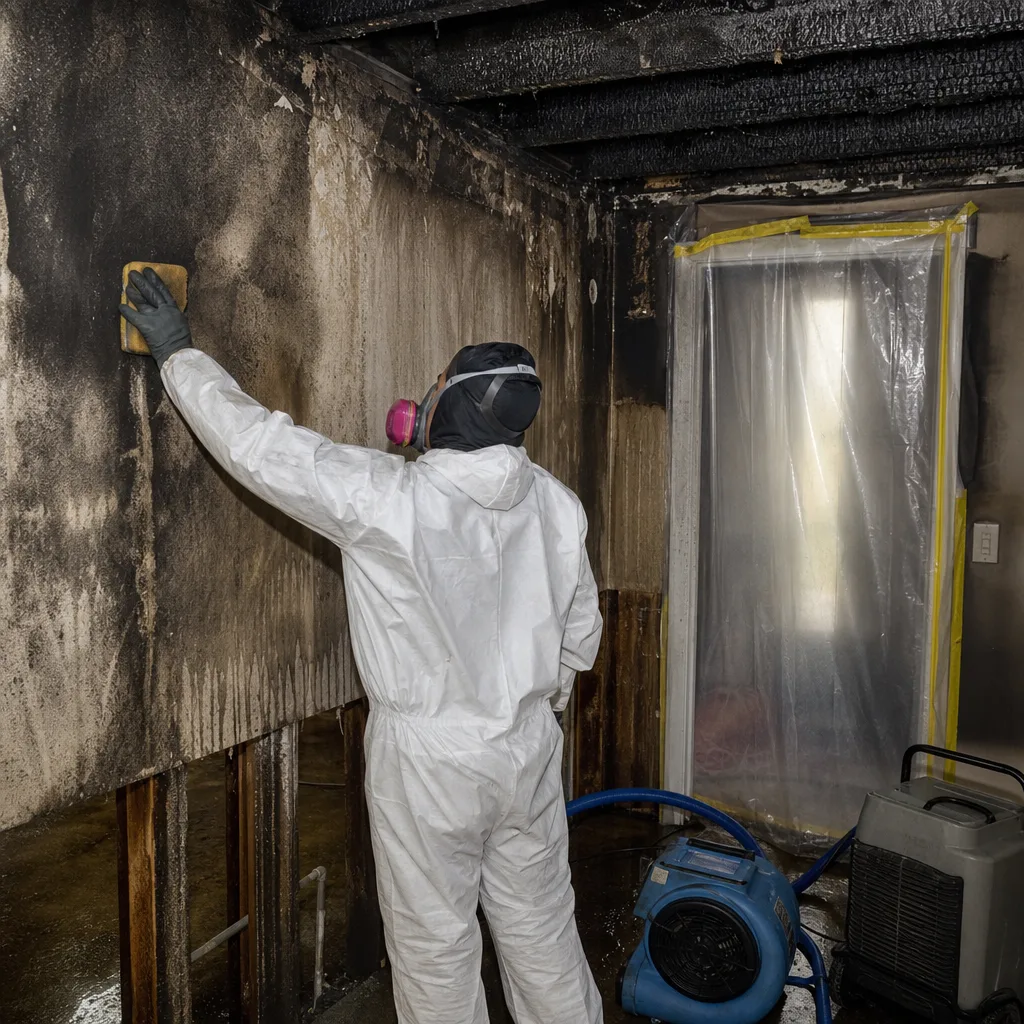
Not every water event means full replacement. When carpet is salvageable, we clean it to IICRC standards using hot-water extraction and dry it in place with air movers. Upholstery cleaning after a smoke event or a minor overflow is part of the same visit when possible. If our techs determine the pad is saturated and can’t be dried, we say so plainly. We won’t clean over a problem that’ll mold in two weeks.
What happens when you call
- 1
A real person answersNo phone trees - you reach a local pro.
- 2
You get an upfront price rangeHonest numbers before anyone is dispatched.
- 3
A background-checked tech heads outLicensed & insured, dispatched right away.
- 4
You approve before work beginsNothing starts until you say go.
Trusted Brands We Service in Austell
We work on all makes and ages of machinery, including systems we service alongside reconstruction jobs in older Austell homes. For drying and dehumidification, our techs run Dri-Eaz and Phoenix units, and when subfloor or hard-to-reach cavities are involved, Injectidry panels pull moisture from where air movers can’t reach. We keep common drying equipment and materials stocked locally for Austell dispatch, which means a crew rolling into 30168 at 2 a.m. doesn’t wait on a warehouse run from another county. You call, a live person answers, and the truck is on the road.
Common Reconstruction & Cleanup Problems We See in Austell Homes
- Polybutylene line failures becoming full reconstruction jobs. Homes built between 1978 and 1995 in Austell were plumbed during the poly-b era, and chlorinated Atlanta metro water accelerates pipe degradation. A fitting lets go inside a wall or under a slab, and by the time water shows at the baseboard, the framing and subfloor have been wet for days or weeks.
- Crawl-space moisture nobody caught the first time. The original grading on many 1970s and 1980s Austell lots cut into sloped red clay, so groundwater moves laterally under slabs. A burst pipe gets repaired, but staining on foundation walls tells the real story: months of pre-existing intrusion that now needs mold remediation and a new vapor barrier.
- Tight clearances in Austell’s denser pockets. Townhome sections and alley-load properties around Austell force crews through narrow doors and side yards. Equipment has to fit real access. We send the right-size air movers and dehumidifiers, not whatever’s on the truck.
- Secondary mold claims from drying that stopped too soon. After a heavy summer storm, outdoor humidity in Austell keeps interiors above 70% RH for days. If drying equipment gets pulled before the dry standard is actually met, mold colonization starts within 24 to 48 hours. Our daily readings prove the standard was reached, and the log goes to you and your carrier.
Pricing for Reconstruction & Cleanup in Austell, GA
Reconstruction pricing in Austell reflects the scope, not a flat number. A small drywall repair after a pinhole leak typically runs $800 to $1,800. A full room rebuild with flooring replacement and painting lands between $3,500 and $8,000 depending on square footage and materials. Crawl-space vapor barrier installation after a moisture event usually runs $1,500 to $4,500, and if mold remediation is required before reconstruction, that adds $1,200 to $6,000 depending on affected area. We give you a written scope and a firm number before work starts. No surprises on the bill, and we bill your carrier directly when the loss is covered. Free estimates: call (888) 832-2758.
We Also Serve Cities Near Austell
Floodline crews regularly work Austell alongside neighboring communities like Mableton, Lithia Springs, Smyrna, and Fair Oaks. If your property sits just outside the Austell line, the same local dispatch, same live-answer phone, and same 90-Day Done Right Promise still apply. We’ll be there when we say.
Serving Austell, GA - Our Local Coverage Area
We’re based in the Austell area and know this community well. Use the map below to see our service coverage - if you’re nearby, we can almost certainly help.
FAQs - Reconstruction & Cleanup in Austell
Polybutylene lines fail at fittings and along pipe runs, often leaking behind walls or under slabs for weeks before anyone notices. In Austell’s 1978-1995 housing stock, that means reconstruction almost always extends beyond the visible wet spot. We cut back the baseplate, trace moisture into adjacent cavities with a meter, and frequently find the subfloor particleboard swollen well beyond the initial stain. The reconstruction scope includes replacing framing or flooring that most property owners never realized was wet, and we document every cut with photos for your adjuster. Call (888) 832-2758 for a free assessment.
Because the original 1970s and 1980s grading in that part of Austell cut into sloped red clay lots, and groundwater moves laterally under slabs instead of draining away. On a split-level off Maxham Road, our crew once responded to a visible poly-b rupture, removed saturated drywall and flooring, and then found months of pre-existing moisture staining on the foundation walls that the homeowner had no idea about. That job turned into a full mold remediation and vapor barrier install. If your crawl space shows staining, the reported loss isn’t the whole story. We’ll map it before we quote reconstruction.
Tight access doesn’t change physics, but it changes which equipment fits and how long drying realistically takes. In Austell’s denser pockets, undersized drying gear gets sent in because it’s easier to carry through a narrow side yard, and then the interior never drops below 70% RH fast enough to stop mold. We send the right-size professional-grade equipment for the actual clearance, set daily moisture readings, and keep drying until the dry standard is met, not until the rental clock runs out. The Keystone Standard applies: done right and backed in writing.
Your carrier needs proof of causation, a moisture map from day one, daily drying logs, and a written reconstruction scope with line-item pricing. We provide all of it, plus photo documentation from the first visit through final inspection. Because poly-b failures are technically gradual plumbing deterioration under many policies (unlike a sudden accidental discharge), documentation quality can decide whether your reconstruction is covered or denied. We write the report your adjuster actually needs, and we bill the carrier directly. That’s the square deal.
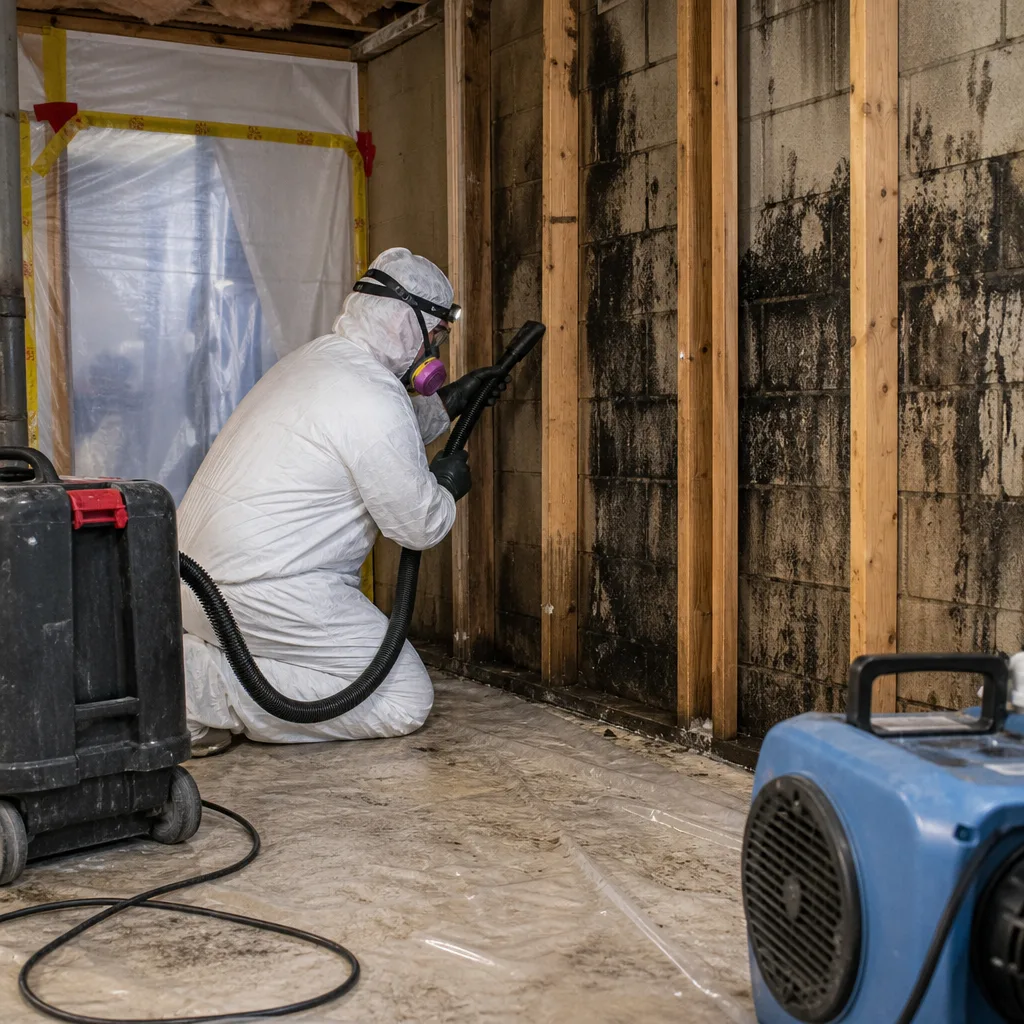
Yes, if the cleanup includes addressing the moisture source, not just the debris. After a slab repair near or under a 1980s Austell ranch, we HEPA-vacuum the crawl space, treat visible mold, and install or repair the vapor barrier over the red clay. Then we set a dehumidifier to bring RH below 50% and verify with a meter before we call it done. Post-construction cleanup that skips the crawl space just resets the clock on the next claim. Ours doesn’t.
Written by Curt Bowman, Owner at Floodline Restoration Co. of Atlanta, serving Austell since the company’s founding in 2010.