
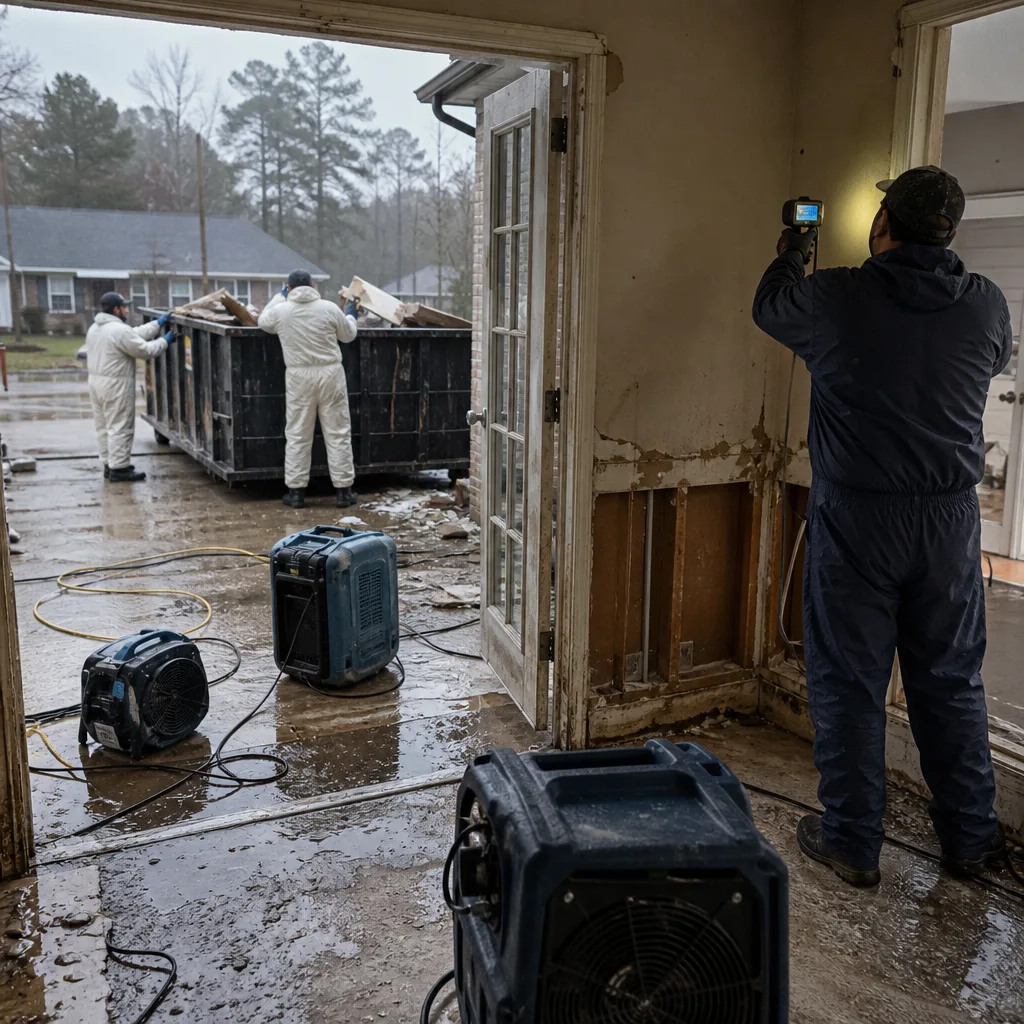
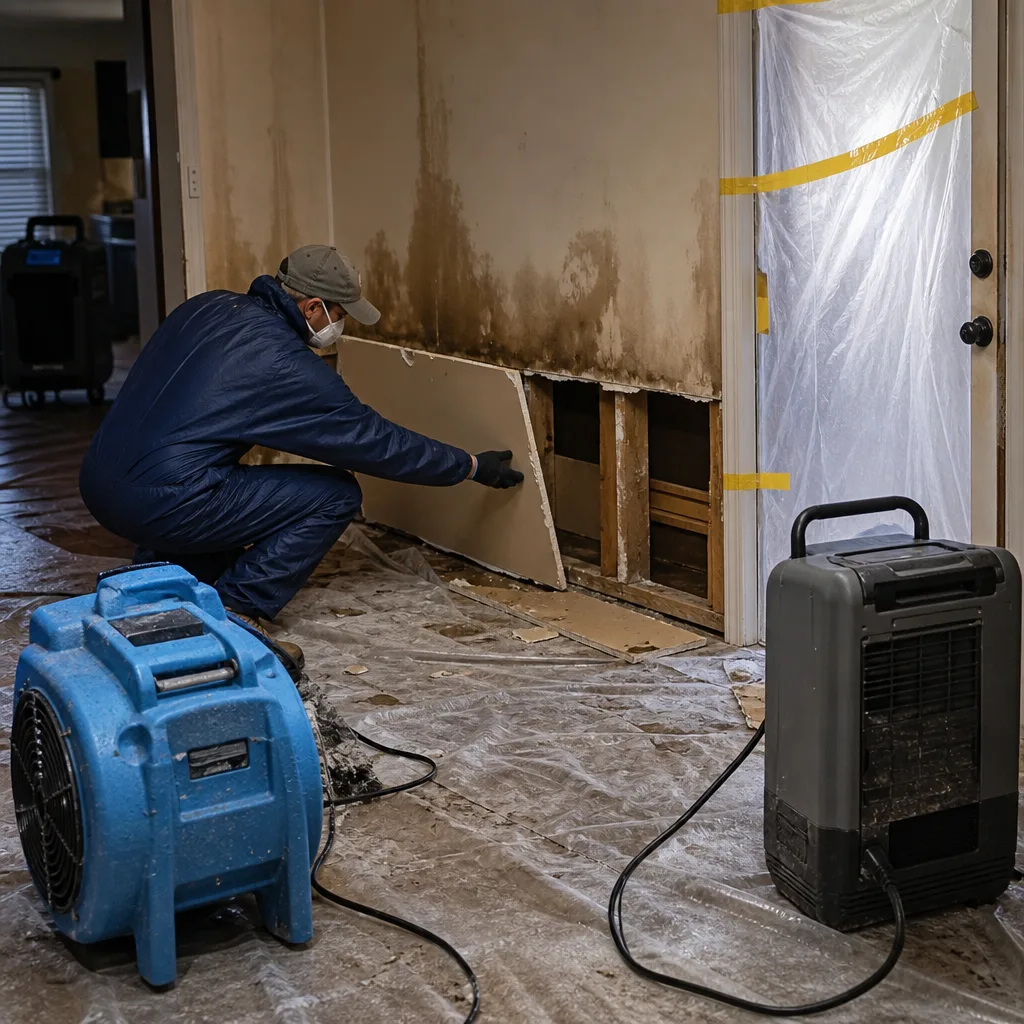
Fast, Reliable Storm & Disaster Restoration Across Dunwoody
Storm damage in Dunwoody moves on two clocks: the city’s tree removal permit process, and mold’s 24 to 48 hour head start in Georgia’s humid air. We answer both. Our Storm & Disaster Restoration crews know Dunwoody’s ordinance requirements, its 1970s and 1980s slab-on-grade subdivisions, and how to keep drying on track while a 60-foot oak still pins your roof. Call (888) 832-2758 any hour, day or night. A live dispatcher answers, and we can typically have a certified crew in Dunwoody within the hour.
Key Takeaways for Dunwoody Homeowners
- Dunwoody’s Tree Commission requires city approval before any storm-felled tree is removed from a structure. You can’t just cut it off the roof.
- Our crews start containment, tarping, and structural drying while the tree permit is still pending. You don’t wait with a wet house.
- Post-storm humidity in Dunwoody frequently exceeds 80%, so mold gets a 24 to 48 hour jump. Aggressive dehumidification starts on the first visit.
- Most Dunwoody storm calls involve wind-driven tree fall onto roofs and HVAC systems, not flooding. Different problem, different sequence.
- Every job comes with the 90-Day Done Right Promise in writing. If it’s not done right, we make it right.
Why Floodline Restoration Co. of Atlanta Is Dunwoody’s Preferred Storm & Disaster Restoration Company
Storm restoration in Dunwoody isn’t a generic water job. It’s a permitting puzzle with a humidity clock ticking behind it. We’ve worked enough Dunwoody homes to know that a tarp over a roof puncture isn’t the finish line. It’s the first step while the city arborist reviews the tree removal application. Homeowners across Dunwoody North, Georgetown, and the Perimeter Center corridor call us because we already understand that sequence. We don’t burn two days figuring out why the tree hasn’t moved. We set up containment, seal the breach, and start drying while the permit works its way through City Hall.
Our response time to most Dunwoody addresses runs under 90 minutes from your call. A live dispatcher takes your information, not a recording, and the crew that arrives is background-checked, uniformed, and certified to IICRC, RIA, and IFA standards. They’ll walk the damage with you, explain what the city requires for tree removal, and hand you a written scope before any equipment comes off the truck. That’s a square deal, and it’s how we’ve kept Dunwoody homeowners from being oversold since Curt Bowman founded this company in 2010.
Our Storm & Disaster Restoration Services in Dunwoody
Every storm leaves a different signature. In Dunwoody, it’s usually a limb through the roof deck, a tree across the HVAC condenser, or wind-driven rain working through aging flashing. Here’s how we handle the four services Dunwoody homeowners need most.
Storm Damage Cleanup
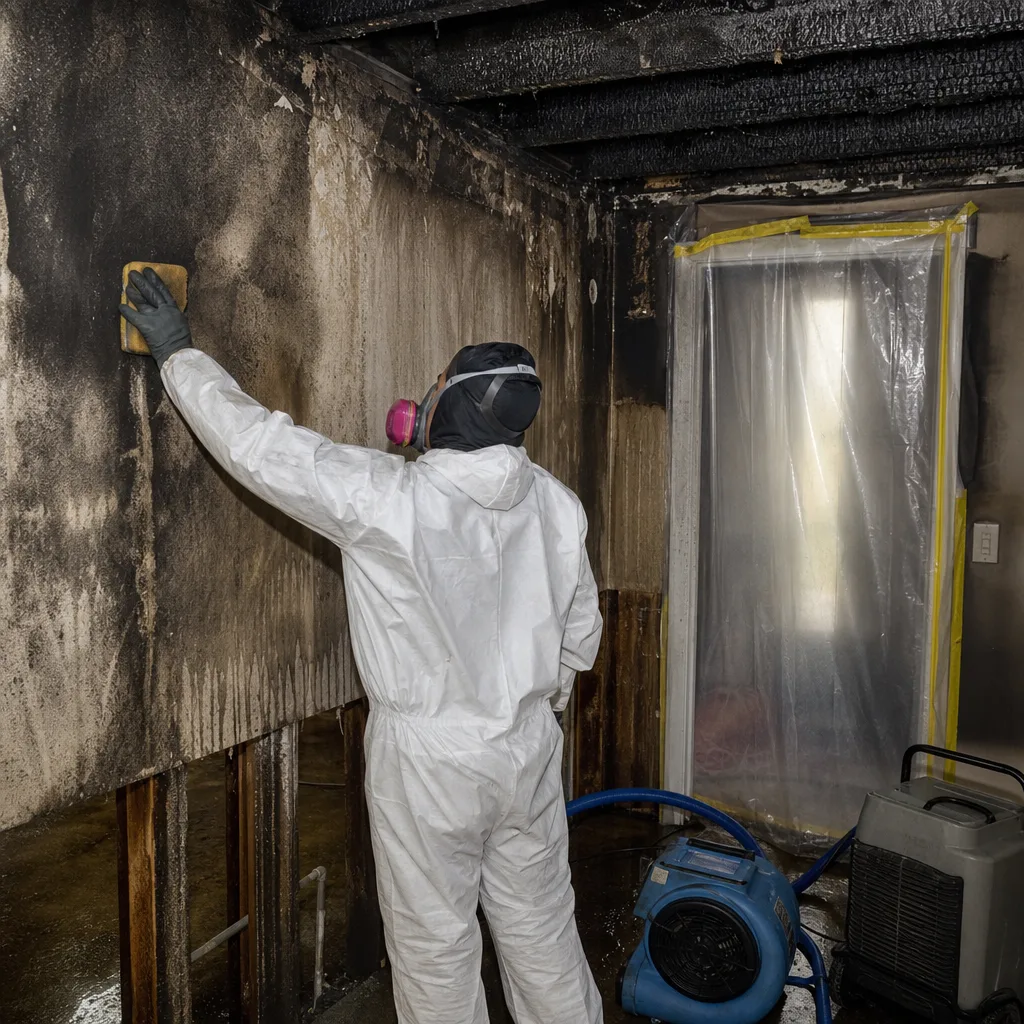
We remove wet insulation, damaged drywall, and wind-blown debris without waiting on a tree permit. The city’s ordinance governs tree removal from structures, not the interior work. Our crews can begin pulling saturated materials, setting containment, and logging moisture readings the same visit. In Dunwoody’s slab-on-grade homes, water that got under carpet and pad needs extraction before it wicks into baseboards and wall cavities. We run professional-grade Dri-Eaz and Phoenix units from day one and log every reading until the dry standard is met.
Flood Damage Restoration
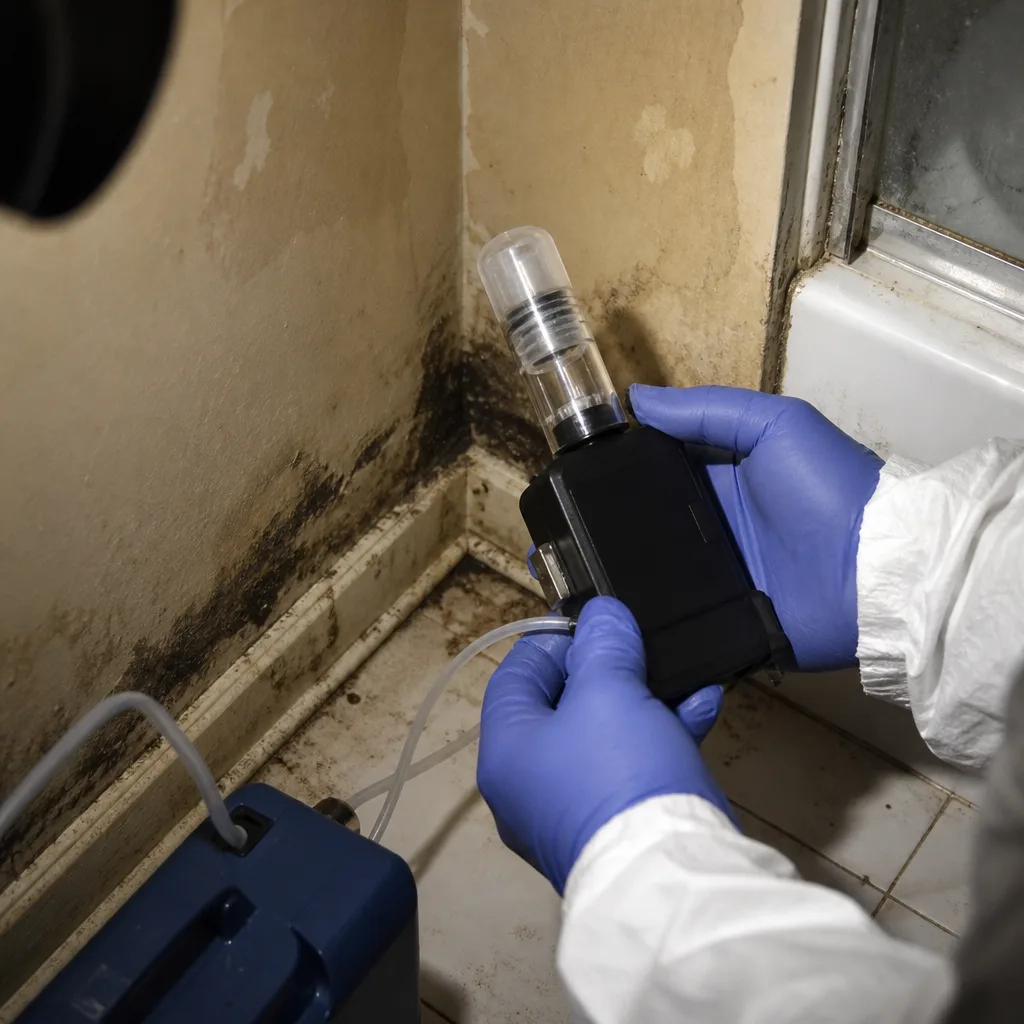
Dunwoody’s storms can dump inches of rain in an afternoon, and the red clay soil doesn’t absorb it fast. Water pools against foundations, seeps through hairline cracks in 1980s slab edges, and finds its way under doors. We extract with truck-mounted units, map the migration path with thermal imaging and moisture meters, and set drying chambers sized to the square footage, not the visible puddle. For slab-on-grade homes like the ones throughout Dunwoody North, that means checking for water trapped under vinyl plank and tile where it can hide for weeks before mold shows through.
Emergency Board-Up
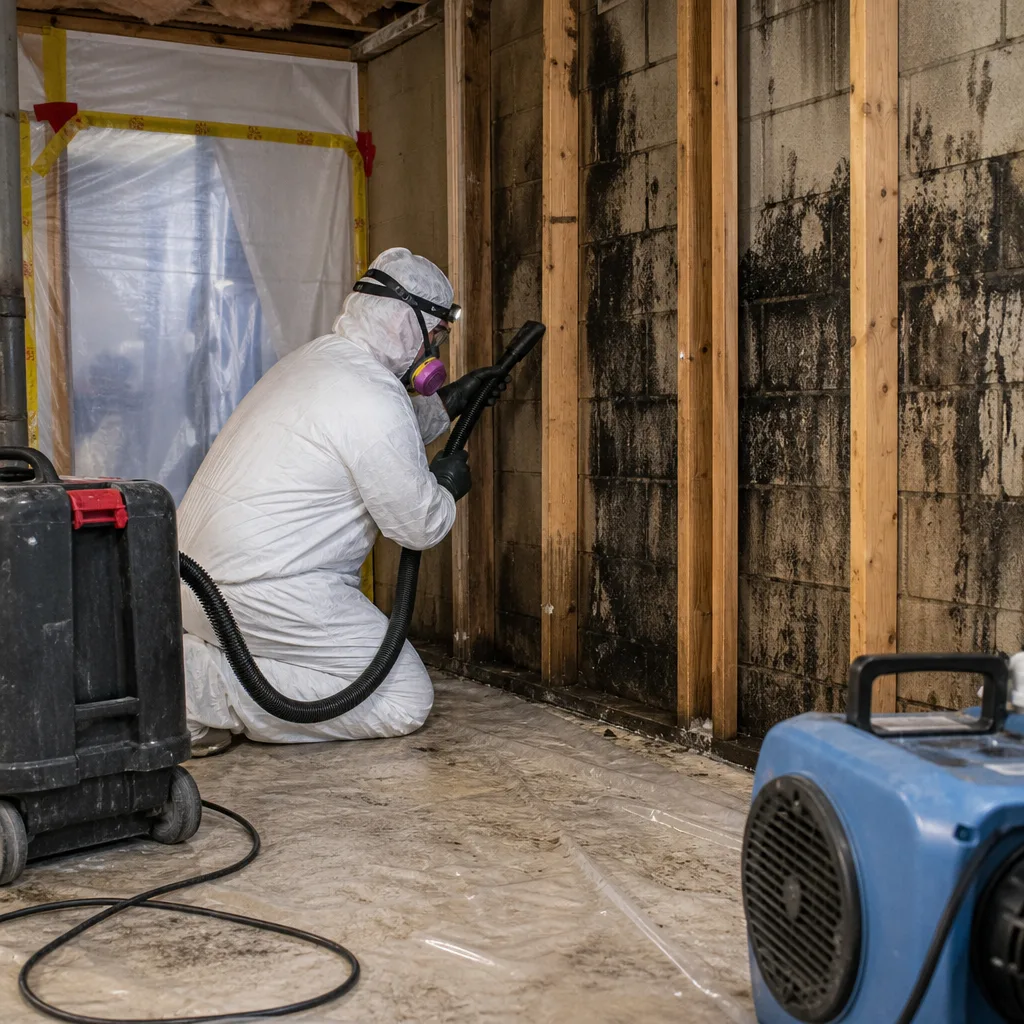
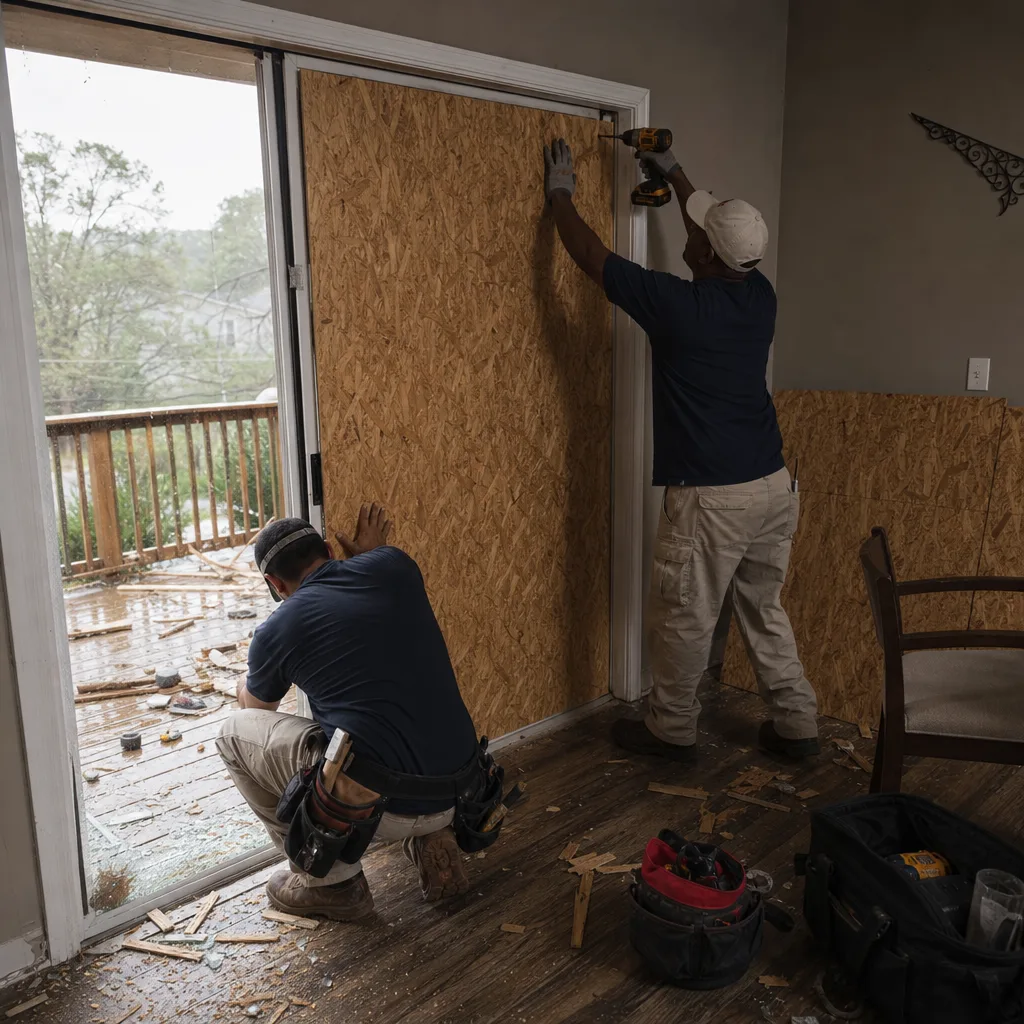
When a limb takes out a window or the wind tears off a section of siding, the first 30 minutes matter. Board-up secures the house against rain, pests, and anyone who might see an opening as an invitation. We cut plywood to fit Dunwoody’s window sizes, fasten it cleanly, and document everything for your insurance carrier. A board-up isn’t a permanent fix. It’s the clean, temporary barrier that buys time for the real restoration work while keeping your house secure.
Roof Tarping
A tarp over the puncture is the single most important immediate step in Dunwoody storm restoration. The city won’t rush a tree removal permit because your roof is open, so the tarp carries the weather load while the arborist signs off. We use heavy-duty poly tarps, secure them with furring strips and cap nails, and seal around penetrations. The goal is simple: keep rain out until the tree is cleared and permanent roof repair can start. Our crews tarp roofs throughout Dunwoody, including homes along Chamblee Dunwoody Road and in the Georgetown subdivision, often within two hours of the first call.
What happens when you call
- 1
A real person answersNo phone trees - you reach a local pro.
- 2
You get an upfront price rangeHonest numbers before anyone is dispatched.
- 3
A background-checked tech heads outLicensed & insured, dispatched right away.
- 4
You approve before work beginsNothing starts until you say go.
Trusted Brands We Service in Dunwoody
We run Dri-Eaz, Phoenix, and XPOWER equipment on Dunwoody jobs, sized to the house and the humidity load, not to a one-size-fits-all rental fleet. Because we stock parts and accessories locally for the equipment we run, there’s no waiting on a shipment from out of state when a dehumidifier needs a filter or a pump fails mid-job. For Dunwoody homeowners, that means the drying never stalls. Curt Bowman’s crew works with the same equipment on day one and day ten, so the moisture log tells one continuous story from first reading to dry standard.
Common Storm & Disaster Restoration Problems We See in Dunwoody Homes
- Tree removal permits stalling the job. Dunwoody’s Tree Commission requires municipal approval before any storm-felled tree is removed from a structure. Crews that cut first risk fines and stop-work orders. We’ve built our whole Dunwoody sequence around that reality: tarp, contain, dry, then remove when the city signs off.
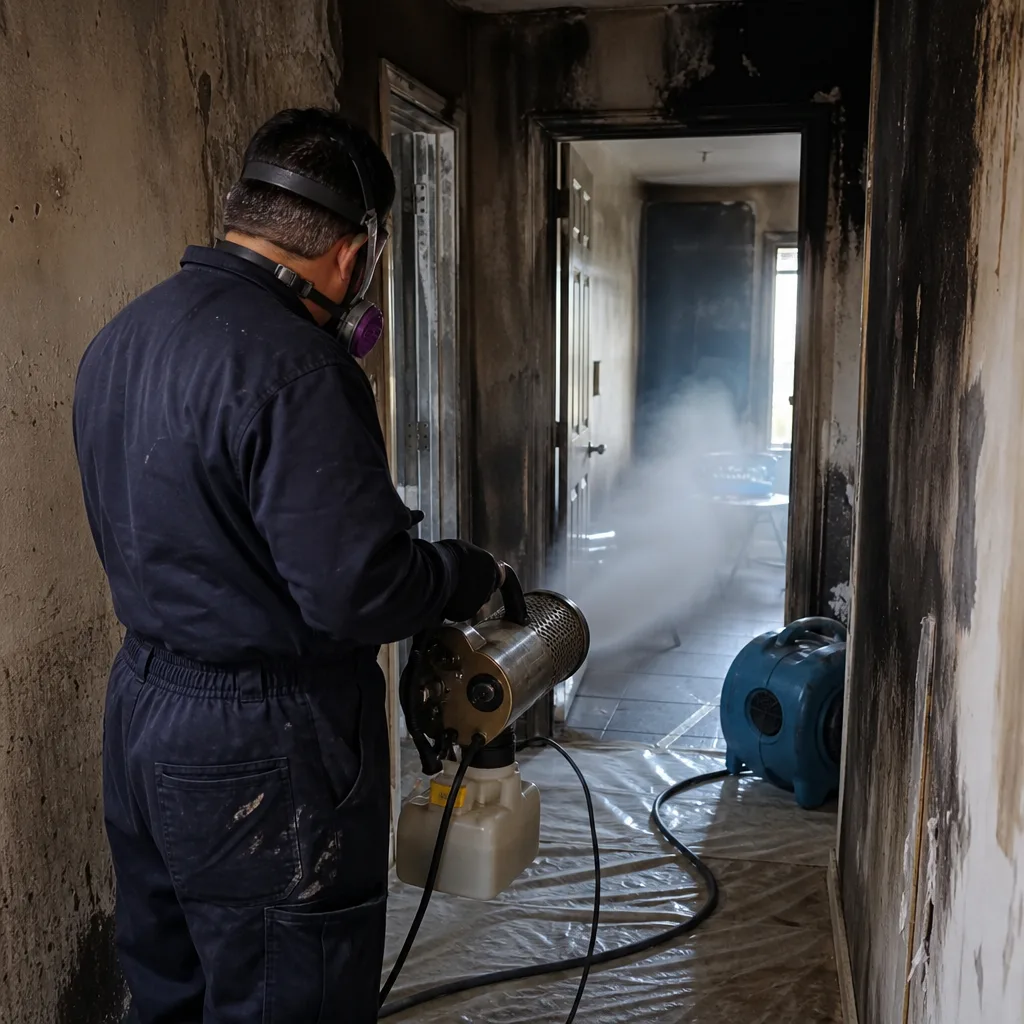
- Mold taking hold before the house can dry. Dunwoody’s post-storm relative humidity regularly tops 80% in summer. That gives mold a 24 to 48 hour jump on even a small roof leak. Low-capacity dehumidifiers and undersized containment don’t cut it. We size the drying chamber to the moisture load and run Phoenix 200 MAX units in the worst spaces.
- Hidden wall cracks from slab shifts. Dunwoody’s 1970s and 1980s homes sit on slab-on-grade foundations in expansive red clay. Tree-root pressure and ground saturation after a storm can shift slabs enough to open hairline wall cracks. Wind-driven rain then wicks inside. We map those cracks with thermal imaging before we call a storm job done, because a missed crack means a repeat callback.
- Cast-iron drain stacks failing under impact. A heavy limb hitting the roof doesn’t just tear the deck. The shock can crack original cast-iron stacks in Dunwoody’s older homes. We’ve opened walls and found snapped drain lines behind drywall that looked dry from the outside. That’s why our scope includes an inspection of plumbing runs near any impact point.
Pricing for Storm & Disaster Restoration in Dunwoody, GA
Storm restoration pricing in Dunwoody depends on what the storm actually did, but here’s what we see in this market. Emergency board-up typically runs $400 to $900 depending on the number of openings and size of the windows. Roof tarping for a standard single-family Dunwoody home runs $650 to $1,400, including labor, materials, and securement. Storm water extraction and drying for a single room affected by a roof leak starts around $1,200 and runs up to $4,000 for larger areas with multiple rooms and wall cavities involved. Tree-related structural drying, where we hold containment while the city permit works through, adds 15 to 25% to drying costs because of the extended equipment run time. We always provide a written scope before work begins, we bill your insurance carrier directly, and the $50 Off Any Repair Over $250 offer applies to storm repairs. Seniors and veterans get a 5% discount, always.
We Also Serve Cities Near Dunwoody
Our crews run the same Dunwoody storm sequence in Sandy Springs, Chamblee, Doraville, and Brookhaven, where the permitting picture and drying conditions differ slightly. If you’re in one of those communities, the same live dispatch, the same written scope, and the same 90-Day Done Right Promise apply. We’re just a call away from Storm & Disaster Restoration in Dunwoody and every surrounding city.
Serving Dunwoody, GA - Our Local Coverage Area
We’re based in the Dunwoody area and know this community well. Use the map below to see our service coverage - if you’re nearby, we can almost certainly help.
FAQs - Storm & Disaster Restoration in Dunwoody
Yes, you do. Dunwoody’s tree preservation ordinance, enforced by the city’s Tree Commission since 2008, requires municipal approval before any storm-felled tree is removed from a structure. That’s different from Brookhaven or unincorporated DeKalb County, where no such city-level permit layer exists. The process involves a city arborist inspection and sign-off, which can take a day or two. Our crews work around that timeline by tarping the roof and starting interior drying immediately, so the permit delay doesn’t stop the restoration. Call (888) 832-2758 and we’ll walk you through the current Dunwoody process.
Mold can begin growing within 24 to 48 hours after water intrusion in Dunwoody’s humid subtropical summers, when post-storm relative humidity often exceeds 80%. That’s faster than the general industry response window, and it’s why we start aggressive dehumidification on the first visit. In the worst months, we’ll run oversized drying chambers and monitor RH levels daily until the moisture log shows the dry standard is met. If you’ve had a roof leak or wall intrusion, don’t wait through the weekend. Call (888) 832-2758 and get extraction running the same day.
Yes, it changes how we map water migration. Slab-on-grade homes in Dunwoody’s 1970s and 1980s subdivisions don’t have crawl spaces or basements where water can pool visibly. Instead, water runs along the slab, under flooring, and into wall cavities through base plate gaps. Our crews use thermal imaging and moisture meters to trace that path, because the visible puddle is rarely the full story. Tree-root pressure and saturated clay can also open hairline slab cracks that let wind-driven rain wick in. We factor all of that into the drying plan from the start.
Absolutely. Tarping doesn’t require a permit, and it’s the single most important step while the city arborist reviews the tree removal application. We tarp over the puncture, seal around any remaining limbs, and secure the perimeter so wind doesn’t peel it back. Once the tarp is in place, we can start interior drying safely. In fact, that’s the standard Dunwoody sequence: tarp first, then containment and drying, then tree removal when the city signs off. Call (888) 832-2758 and we’ll get a tarp on the roof, usually within hours.
No, the tree ordinance delays tree removal, not restoration. Interior water damage work, board-up, tarping, containment, and drying can all begin immediately, before the city approves the tree removal. The only thing that waits is cutting the tree off the structure. Our crews are trained to work around that sequence, and we’ll keep your drying on track the whole time the oak is still on your roof. If a previous contractor told you the whole job has to wait for the permit, that’s not accurate. Call (888) 832-2758 for a straight answer on what can start today.
Call Floodline Restoration Co. of Atlanta for Storm & Disaster Restoration in Dunwoody
When a 60-foot oak is through your roof and the city says wait, you need a crew that knows what to do in the waiting. We’ve been running that sequence in Dunwoody since Curt Bowman founded this company, and we stand behind every job with the 90-Day Done Right Promise in writing. No surprises on the bill, no arguing about the work, no phone tree at 2 a.m. Just a live dispatcher, a certified crew, and drying started the same visit. Call (888) 832-2758 for a free estimate. We’ll be there when we say.
Written by Curt Bowman, Owner at Floodline Restoration Co. of Atlanta, serving Dunwoody and the surrounding metro since 2010.