
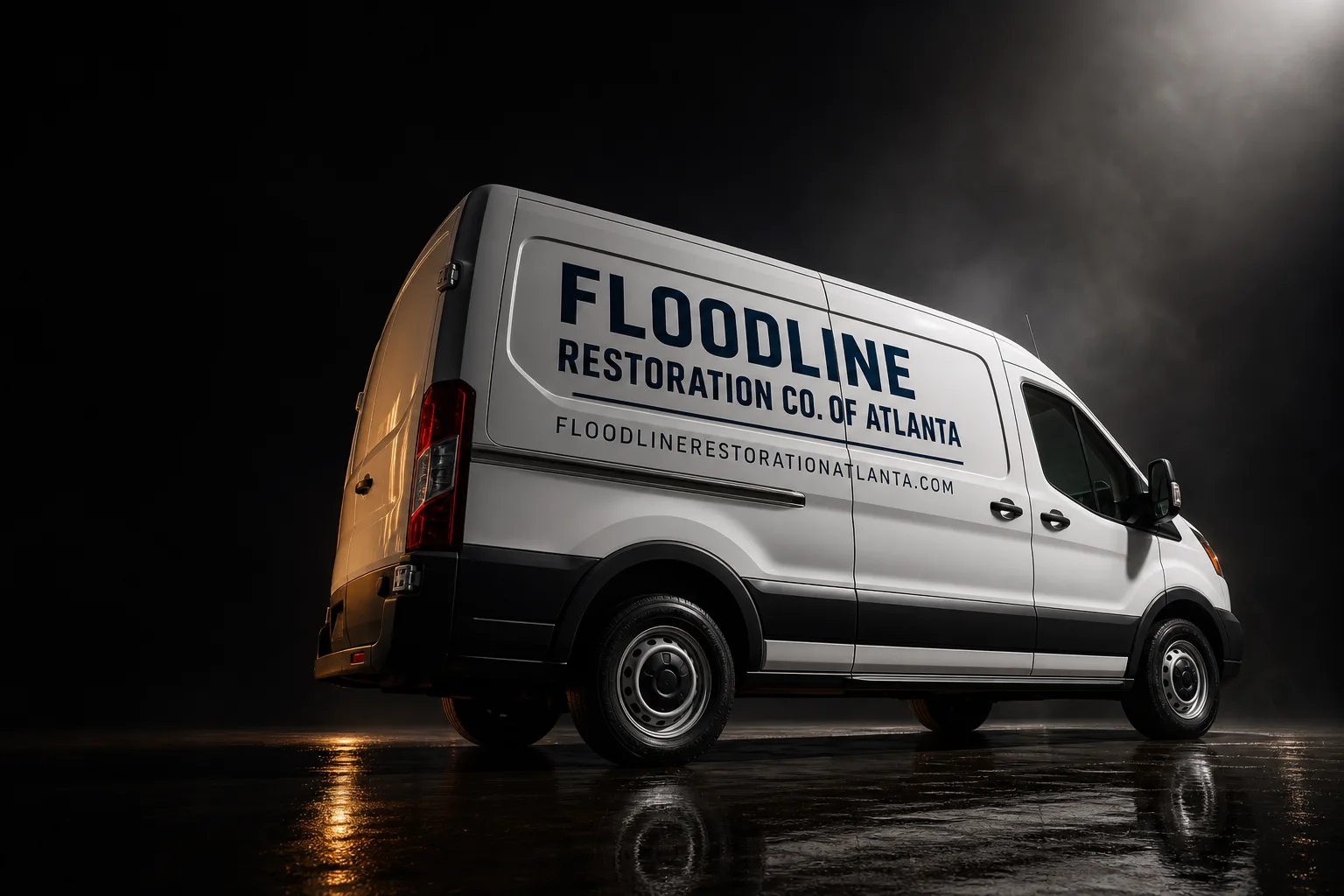
Fast, Reliable Mold Remediation Across Lawrenceville
Mold remediation in Lawrenceville, GA typically costs between $500 and $6,000 depending on the size of the affected area, whether the mold has reached the HVAC system, and whether crawl space treatment is required. Our crews respond to Lawrenceville homes the same day you call, and the phone is answered by a live person at (888) 832-2758 at any hour. We know the houses here. We know how red clay holds water against foundations off Scenic Highway. We know what hides behind baseboards in the 1980s subdivisions near Sugarloaf Parkway. When you call Floodline Restoration Co. of Atlanta, a background-checked, uniformed technician shows up, maps the moisture with a Dri-Eaz meter, and hands you a written scope before any work begins.
Why Floodline Restoration Co. of Atlanta Is Lawrenceville’s Preferred Mold Remediation Company
We have been running mold jobs across Gwinnett County for long enough that the local pattern is second nature to us. Lawrenceville homeowners call us about a musty smell near the crawl space door, and we already suspect what the moisture map will show. That is not a guess. It is forty-two years of local service, with a dispatch board built around getting a real person on the phone and a crew out the same day.
Homeowners in Lawrenceville do not want a sales pitch. They want a square deal, a written guarantee, and a company that picks up the phone at 2 a.m. That is our business. Curt Bowman founded Floodline Restoration Co. in 2010, and the 90-Day Done Right Promise has been in writing on every job since. If it is not done right, we make it right. No paperwork battles. No arguing. Our technicians are certified to IICRC, RIA, and IFA standards, and they log daily moisture readings until the dry standard is met.
Dispatch and scheduling are coordinated from our Atlanta area office, but the crews serving Lawrenceville work these streets every week. They know the older homes near the historic downtown in 30046 and the tract subdivisions out toward 30043. That local familiarity means fewer surprises, faster scopes, and a mold job that actually stays fixed.
Our Mold Remediation Services in Lawrenceville
Mold Inspection & Testing
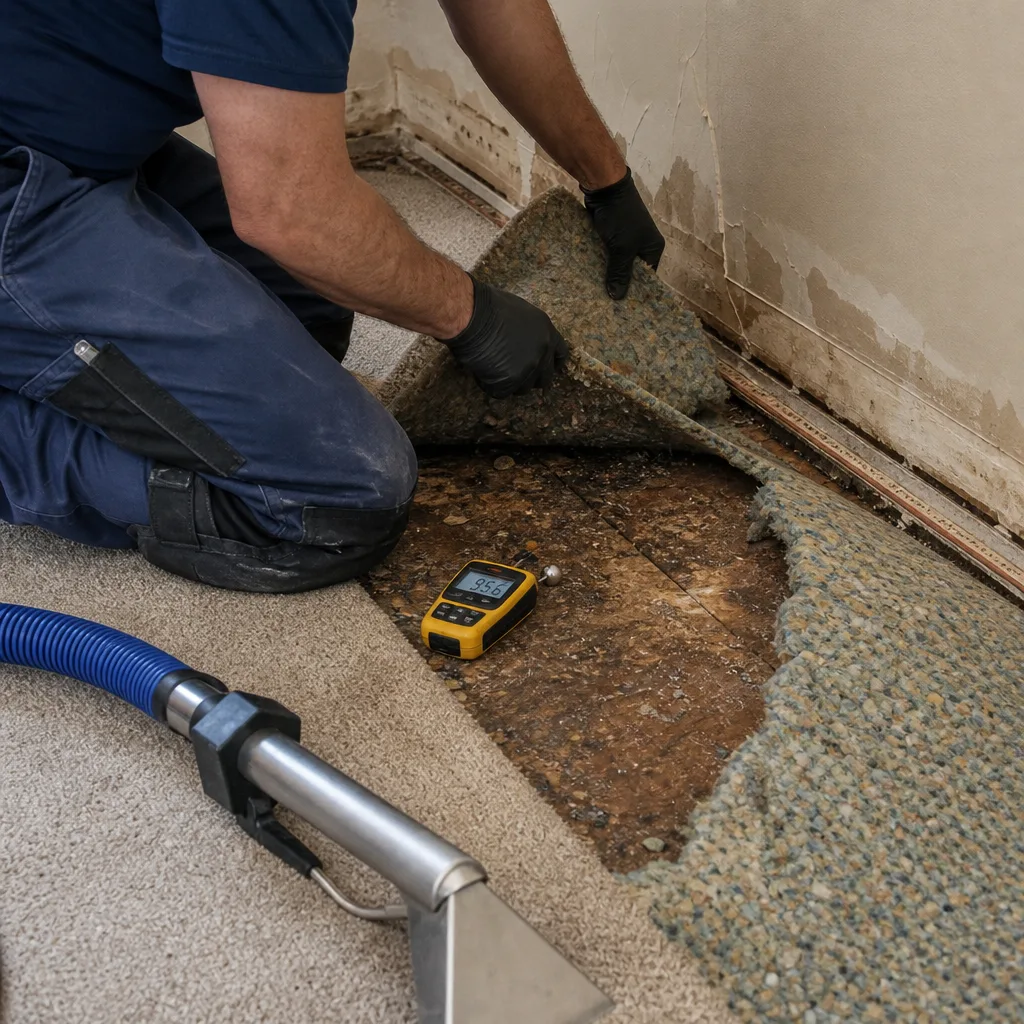
In Lawrenceville, we rarely start a mold scope without a moisture map. Older homes here hide problems well: polybutylene supply lines behind walls, crawl space humidity that never drops below 60%, OSB subfloors that wick water like a sponge. Our Mold Remediation team uses Dri-Eaz and Phoenix equipment to map the moisture, then tracks it daily. Air sampling alone misses what hides inside wall cavities in balloon-frame construction, so we pair surface testing with invasive inspection where the housing age warrants it.
Mold Removal
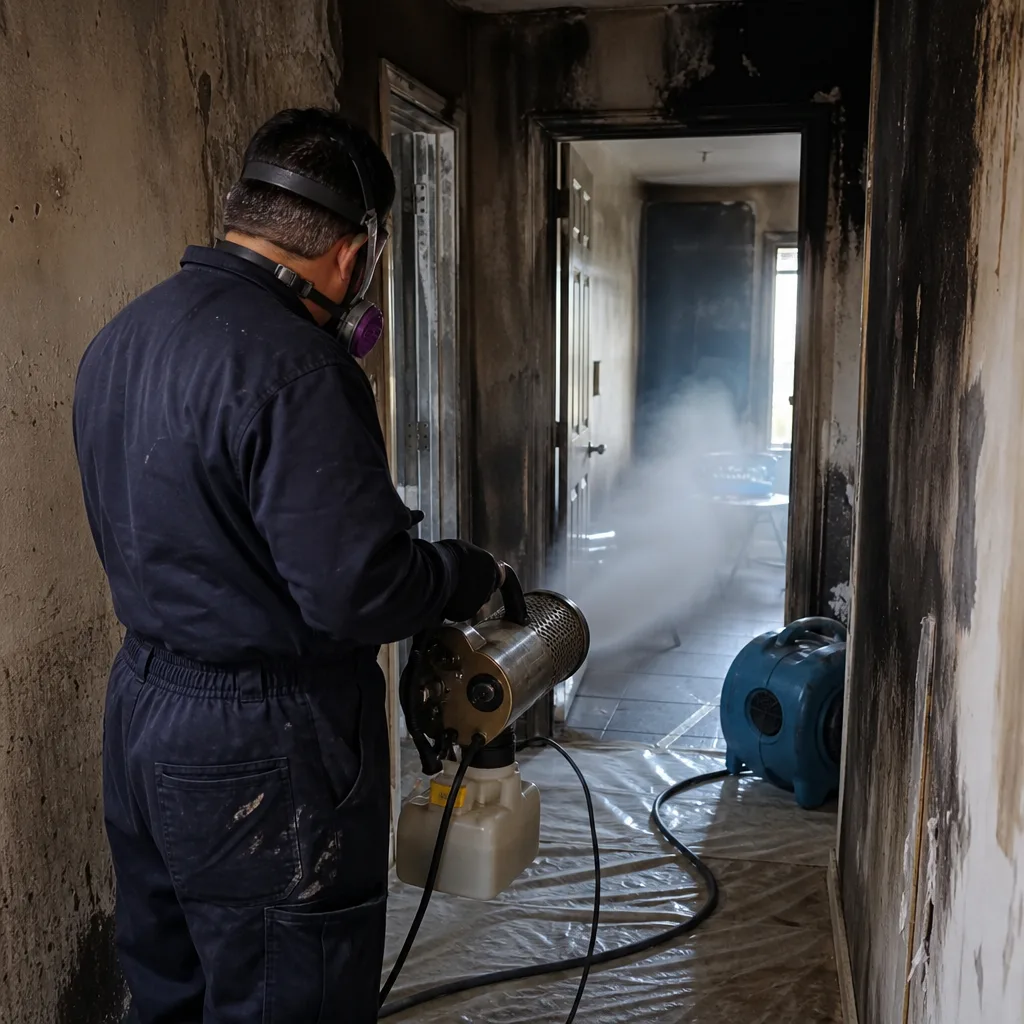
Removal in Lawrenceville often means more than treating the visible colony on drywall. In the 1980s and 1990s subdivisions around Sugarloaf Parkway and Riverside Parkway, we frequently find that a slow polybutylene leak has soaked the OSB subfloor for weeks. By the time you see discoloration, the affected area is usually larger than the stain. We cut out the damaged material, treat the framing and joist bays, and log the drying until the moisture content reads clean.
Black Mold Remediation
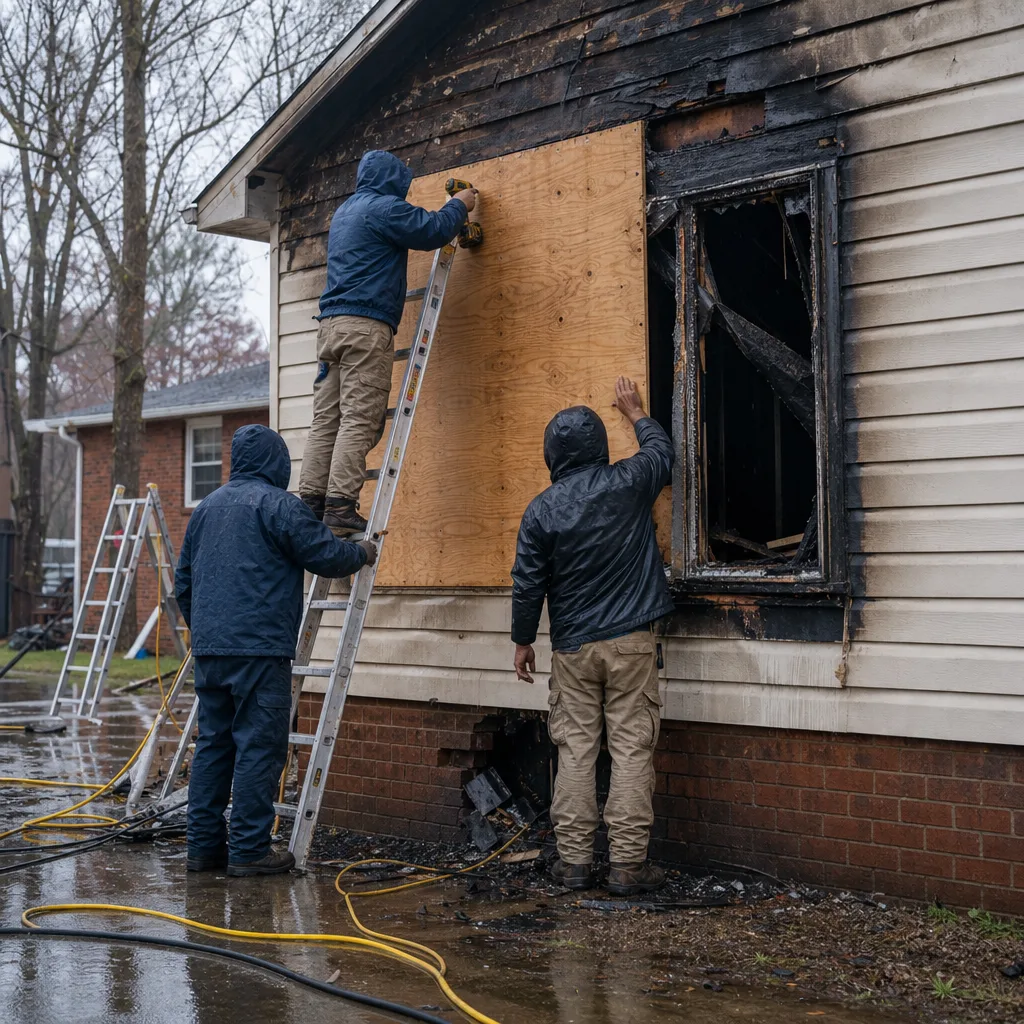
Black mold in Lawrenceville homes is typically tied to prolonged moisture, not a single water event. Raised crawlspace foundations over red clay are the worst case. The soil sheds water laterally, it pools against the foundation, and the crawl space never dries. We isolate the affected area under negative pressure, remove the contaminated insulation and sheathing, and treat with an IICRC protocol. Our Mold Remediation crews have seen enough black mold in local crawl spaces to know exactly what the removal and treatment scope should be.
Air Quality Restoration
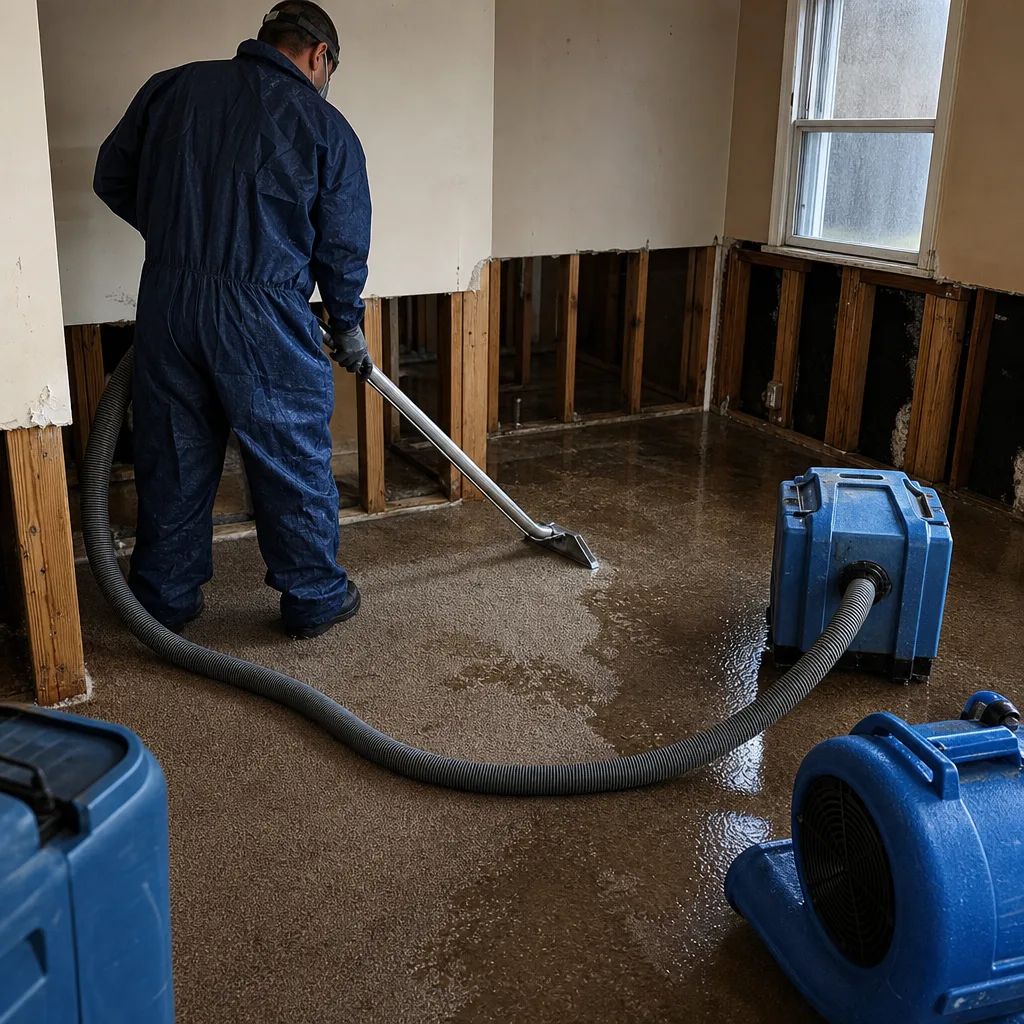
Mold in a crawl space does not stay in the crawl space. The stack effect pulls that air up through the house in Lawrenceville’s humid climate, and the first sign is often a musty smell in the hallway or a child’s bedroom. After removal, we run XPOWER air scrubbers and ventilate the crawl space until the indoor air clears. We also install crawl space ventilation where older homes around downtown Lawrenceville lack it entirely.
What happens when you call
- 1
A real person answersNo phone trees - you reach a local pro.
- 2
You get an upfront price rangeHonest numbers before anyone is dispatched.
- 3
A background-checked tech heads outLicensed & insured, dispatched right away.
- 4
You approve before work beginsNothing starts until you say go.
Crawl Space Treatment: The Lawrenceville Difference
Here is the local reality: Lawrenceville averages over 52 inches of rain a year, most of it falling as fast-moving thunderstorms that overwhelm gutters and grade drainage in minutes. The dense red Georgia clay underneath the topsoil is nearly impermeable. Water does not percolate down. It sheets sideways, pools against foundation walls, and seeps into crawl space after crawl space. Homes off Lawrenceville-Suwanee Road, around Sugarloaf Parkway, and throughout 30042 and 30044 deal with this every spring and summer.
Last fall we ran a mold remediation on a 1992-era home off Sugarloaf Parkway near Lawrenceville-Suwanee Road where a polybutylene elbow behind a master-bath wall had been weeping for over a month. By the time the homeowner noticed discoloration on the baseboard, our Dri-Eaz moisture meters showed 100% saturation in the OSB subfloor, and the paper-faced crawlspace insulation was carrying black mold. The crawl space treatment and air quality restoration ended up being a bigger scope than the leak repair itself. We cut out the soaked sheathing, treated the joist bays with our IICRC protocol, and installed a XPOWER ventilation setup to pull the crawlspace humidity back under 50% before rebuilding.
That is the two-stage pattern that defines mold work in Lawrenceville. The leak is stage one. The mold that colonizes the OSB and paper-faced insulation over the following weeks is stage two. By the time we arrive, stage two is often the bigger job. This is not what a generic mold page tells you, and it is why our Mold Remediation in Lawrenceville approach starts in the crawl space, not at the visible stain.
Common Mold Remediation Problems We See in Lawrenceville Homes
- Hidden polybutylene leaks in 1980s and 1990s homes. Builder-grade subdivisions across 30042, 30043, and 30044 were plumbed with polybutylene supply lines now 25 to 40 years old. They fail behind walls and under slabs, soaking OSB subfloors and paper-faced insulation for weeks before anyone notices. The mold scope is often twice the water damage scope by then.
- Recurring crawl space flooding on red clay. Lawrenceville’s impermeable clay soil sends storm water sideways into foundations instead of down into the ground. Crawl spaces flood, insulation saturates, and mold returns even after surface drying because the humidity never stabilizes below 50%. A one-time treatment without ventilation or encapsulation just delays the next call.
- Pre-1960s balloon-frame construction near downtown. Homes in 30046 near the historic square often lack vapor barriers, and decades of deteriorated brick mortar allow storm water to wick through walls into old plaster and wood. The result is concealed mold pockets that standard air sampling misses without invasive inspection.
- Paper-faced insulation acting as mold food. Many Lawrenceville crawl spaces still have original fiberglass insulation with paper facing. Once saturated, the paper holds moisture against the band joists for weeks and feeds mold growth long after the visible leak is fixed. We remove and replace it as part of the scope.
Pricing for Mold Remediation in Lawrenceville, GA
We price by written scope, not by square footage guesswork. A typical crawl space mold treatment in Lawrenceville runs $1,500 to $4,500, depending on the square footage and whether insulation replacement is included. Mold inspection with air and surface sampling generally costs $350 to $700. A small, contained mold removal in a bathroom wall off Lawrenceville-Suwanee Road might run $500 to $1,200. A full black mold remediation across a flooded crawl space with insulation removal, treatment, and ventilation installation can reach $5,000 to $6,000.
What drives the cost higher in Lawrenceville compared to newer-growth counties is the two-stage pattern: the hidden leak damage plus the mold colonization. We give you a written scope before work starts, not after. No surprises on the bill. Estimates are free. Call (888) 832-2758 and we will walk the property, show you the moisture readings, and put the numbers in writing. We also bill your insurance carrier directly where coverage applies.
We Also Serve Cities Near Lawrenceville
Floodline Restoration Co. of Atlanta serves Lawrenceville and the surrounding Gwinnett County communities, including Lawrenceville neighbors like Lilburn, Norcross, Duluth, and Suwanee. The same certified crews, the same 90-Day Done Right Promise, and the same live dispatcher on the phone at any hour.
Serving Lawrenceville, GA - Our Local Coverage Area
We’re based in the Lawrenceville area and know this community well. Use the map below to see our service coverage - if you’re nearby, we can almost certainly help.
FAQs - Mold Remediation in Lawrenceville
Because Lawrenceville’s 1980s and 1990s housing stock was plumbed with polybutylene supply lines that fail slowly behind walls and under slabs, soaking OSB subfloors and paper-faced crawl space insulation for weeks before the leak becomes visible. By the time we arrive, the mold scope routinely exceeds the water damage scope. Call (888) 832-2758 for a moisture map and written scope, and we will show you exactly what we found.
The red clay under Lawrenceville is nearly impermeable, so heavy rain sheets sideways and pools against foundations instead of soaking into the ground. Raised crawl spaces flood repeatedly, saturation never fully dries, and mold growth returns even after surface treatment. We treat the crawl space itself: removal, ventilation, and humidity control so the cycle stops rather than repeats.
Yes. Balloon-frame homes in 30046 near the historic downtown often have no vapor barrier, deteriorated brick mortar, and wall cavities that wick storm water into old plaster and wood. Standard air sampling misses those concealed mold pockets. We use invasive inspection and moisture mapping to find them before scoping the work, which is a different job than treating a modern stick-built subdivision home.
In Lawrenceville’s 70 to 75 percent average humidity, a slow polybutylene leak can generate actionable mold colonies within 48 to 72 hours, and the stack effect pulls crawl space air up through the house. Within weeks, that musty smell is in living spaces. The faster you call, the smaller the scope. Reach us at (888) 832-2758 and we will be on site the same day.
You should expect a moisture map first: our technicians use Dri-Eaz and Phoenix meters to find the full saturation extent, not just the visible stain. From there we run surface and air sampling where needed, and we log daily moisture readings until the dry standard is met. The findings go in your written scope, and the moisture log goes to you and your carrier. Estimates are free.
Call Floodline Restoration Co. of Atlanta for Mold Remediation in Lawrenceville
If you smell must in a hallway, see discoloration along a baseboard, or know your crawl space has been wet after a storm, call (888) 832-2758. A live person answers. A certified, background-checked, uniformed crew comes to your Lawrenceville home the same day. We find the full scope, put it in writing, and stand behind the work with the 90-Day Done Right Promise. Senior and veteran homeowners save 5%, and we bill your insurance carrier directly. We will be there when we say.
Written by Curt Bowman, Owner at Floodline Restoration Co. of Atlanta, serving Lawrenceville since 2010.