
Fast, Reliable Water Damage Restoration Across Druid Hills
Water damage restoration in Druid Hills, GA typically costs between $2,100 and $7,800 depending on how far the water traveled and what it touched on the way. Our crews reach most Druid Hills homes within 45 to 60 minutes of your call, and a live dispatcher answers around the clock. The homes here aren’t like houses in Decatur or Tucker. They’re older, built from materials that don’t forgive rushed drying, and many sit under one of the densest century-old tree canopies in metro Atlanta. That combination means water damage in Druid Hills has a way of turning structural fast, and it also means county preservation rules can shape what gets repaired and how. Call (888) 832-2758 the moment you see water where it shouldn’t be. We’ll be there when we say.
Key Takeaways:
- Water damage restoration in Druid Hills runs roughly $2,100-$7,800 for typical jobs; basement floods and ceiling leaks on historic homes usually land in the $3,500-$6,000 range.
- DeKalb County historic preservation review can affect repairs to original plaster, millwork, and masonry in Druid Hills. Our Water Damage Restoration team knows that process and plans around it.
- We dry original lath-and-plaster walls in place with low-pressure Injectidry systems instead of defaulting to tear-out, which matters in this neighborhood.
- Live dispatch, 24/7. A certified crew reaches Druid Hills same visit in most cases.
- Every job comes with the 90-Day Done Right Promise in writing, and we bill your carrier directly.
Why Druid Hills Homes Need a Different Approach to Water Damage
Druid Hills isn’t just another Atlanta neighborhood. It’s a Frederick Law Olmsted-designed historic suburb, laid out in the early 1900s around linear parks and parkways that still shape how water moves through the community today. The housing stock is predominantly 1910-1945 Tudor revivals, Colonial revivals, and Craftsman foursquares. Most have original plaster-on-lath walls, old-growth heart-pine framing, cast iron or early galvanized plumbing, and multi-wythe brick construction. None of that responds to water the way modern drywall and PVC do.
That’s the core of what makes restoration work here different. A water event in a 1920s Druid Hills home often involves materials that can be saved if they’re treated correctly in the first 24 to 48 hours. But treat them wrong, and you’re looking at damage that can’t be undone without triggering a historic preservation review. For example, forced-air drying run too aggressively warps original lath-and-plaster walls and causes hairline cracks that a DeKalb preservation reviewer will flag later. Our technicians use low-pressure drying systems and daily moisture readings mapped to the specific materials in each room, not a one-size-fits-all dry standard. The line the water left is where we start, and the county’s rules are part of what we account for from the first assessment.
We’ve served Druid Hills long enough to know the rhythm of the neighborhood. Crews know that Oakdale Road, Lullwater Road, and the streets bordering the Olmsted parks see different failure modes than the higher lots near Emory. Dispatch is coordinated from our Atlanta office, and we schedule Druid Hills work with local crews who know the streets and the parking realities of these narrow, tree-lined drives. You get a live person on the phone at two in the morning and a uniformed, background-checked technician at your door with equipment appropriate for a century-old house. Not a recording. Not a salesperson.
Our Water Damage Restoration Services in Druid Hills
Emergency Water Extraction
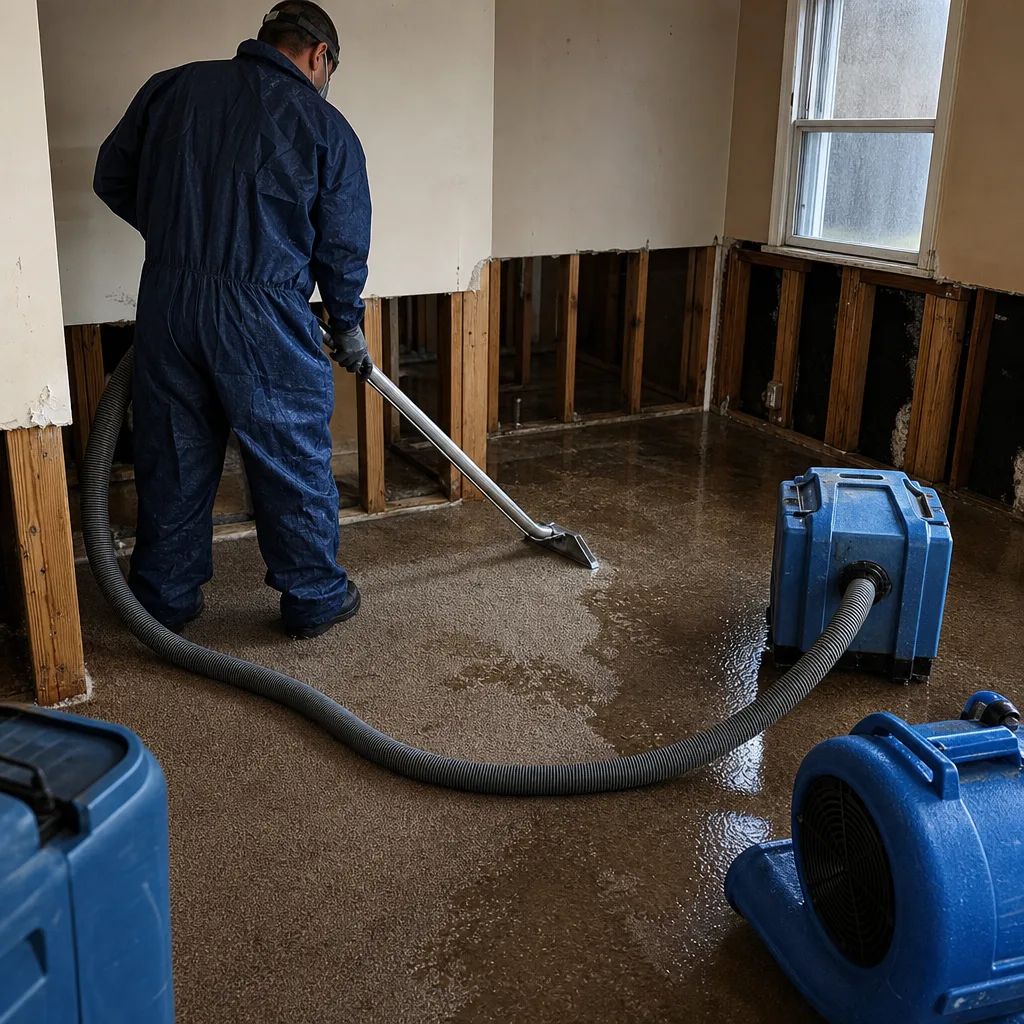
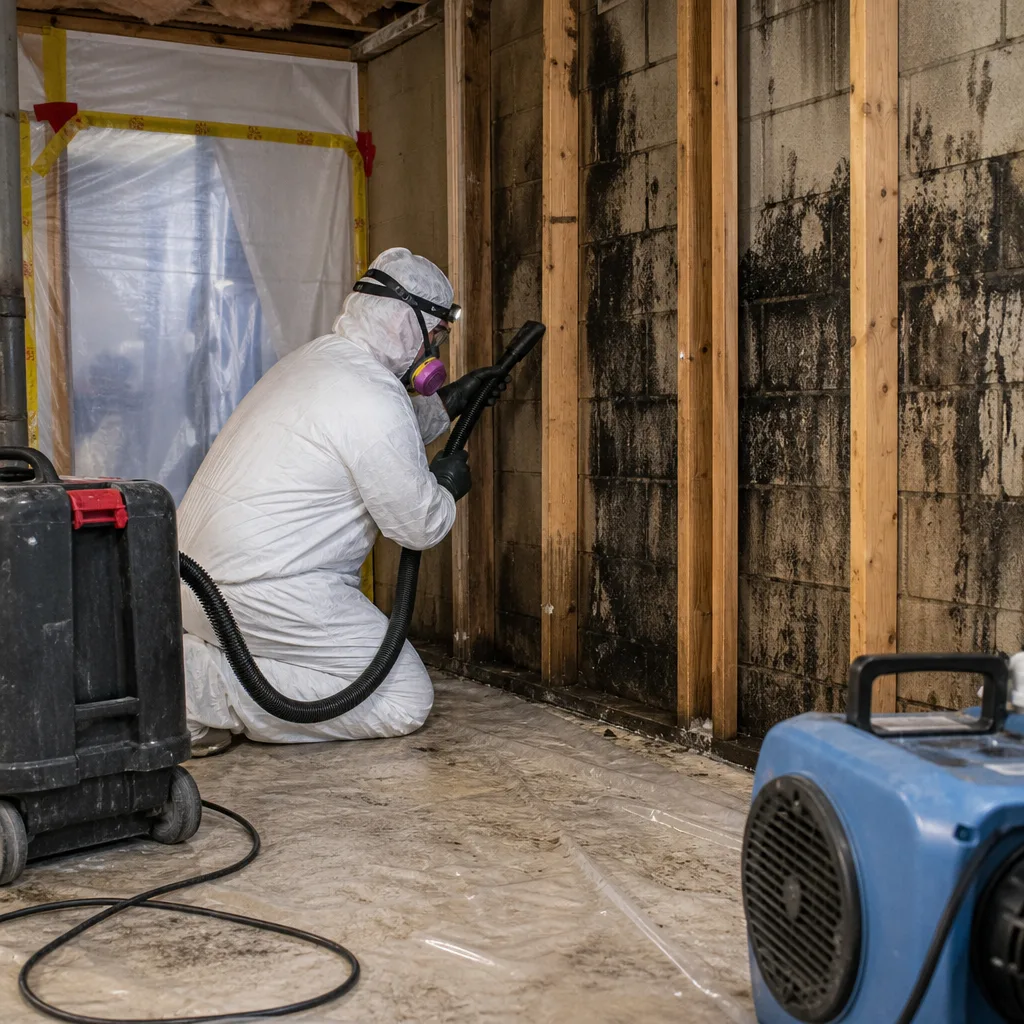
When water is standing in a Druid Hills home, every hour matters. We run truck-mounted and portable extraction units from Dri-Eaz and XPOWER to pull standing water from finished basements, stairwells, and the low points these sloped Piedmont lots create. Extraction typically starts during the same visit as our arrival. The goal is to stop water from wicking into the plaster bases and old-growth framing that make these houses what they are.
Structural Drying & Dehumidification
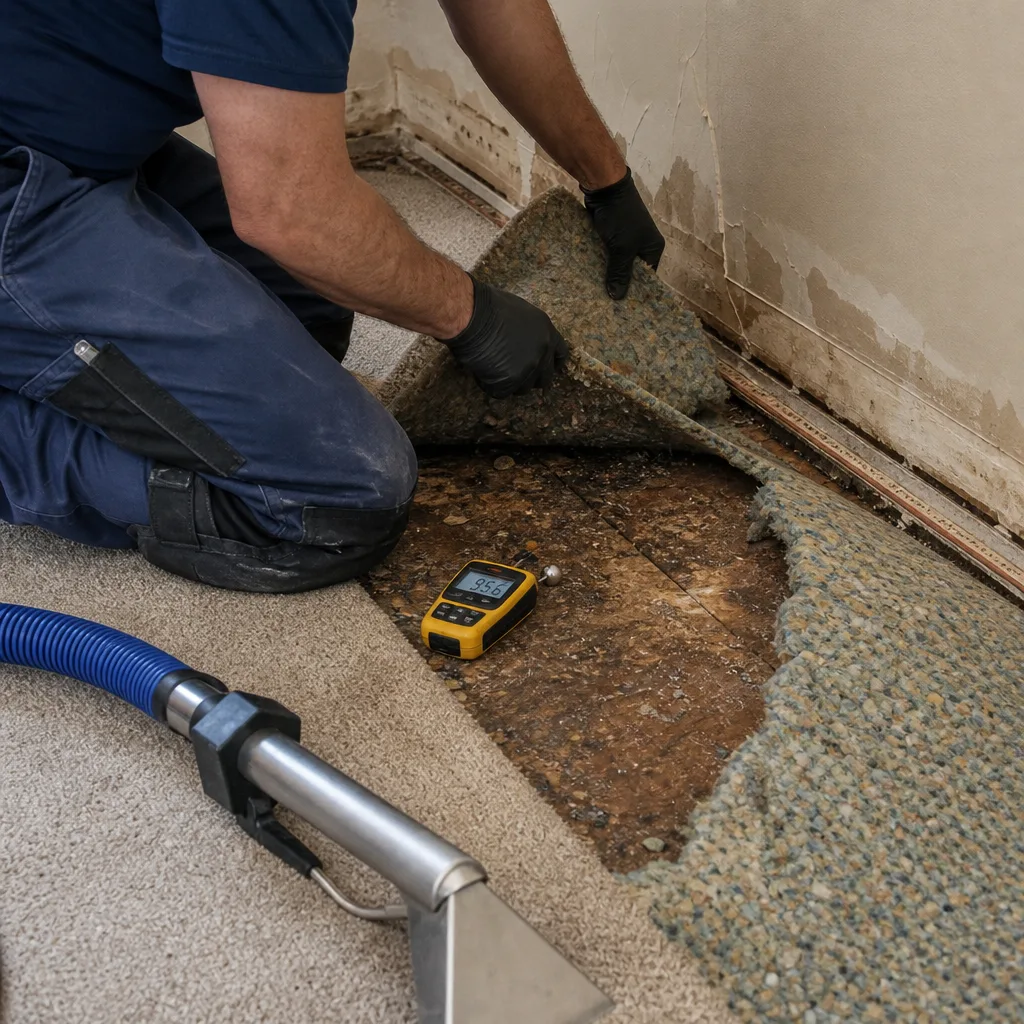
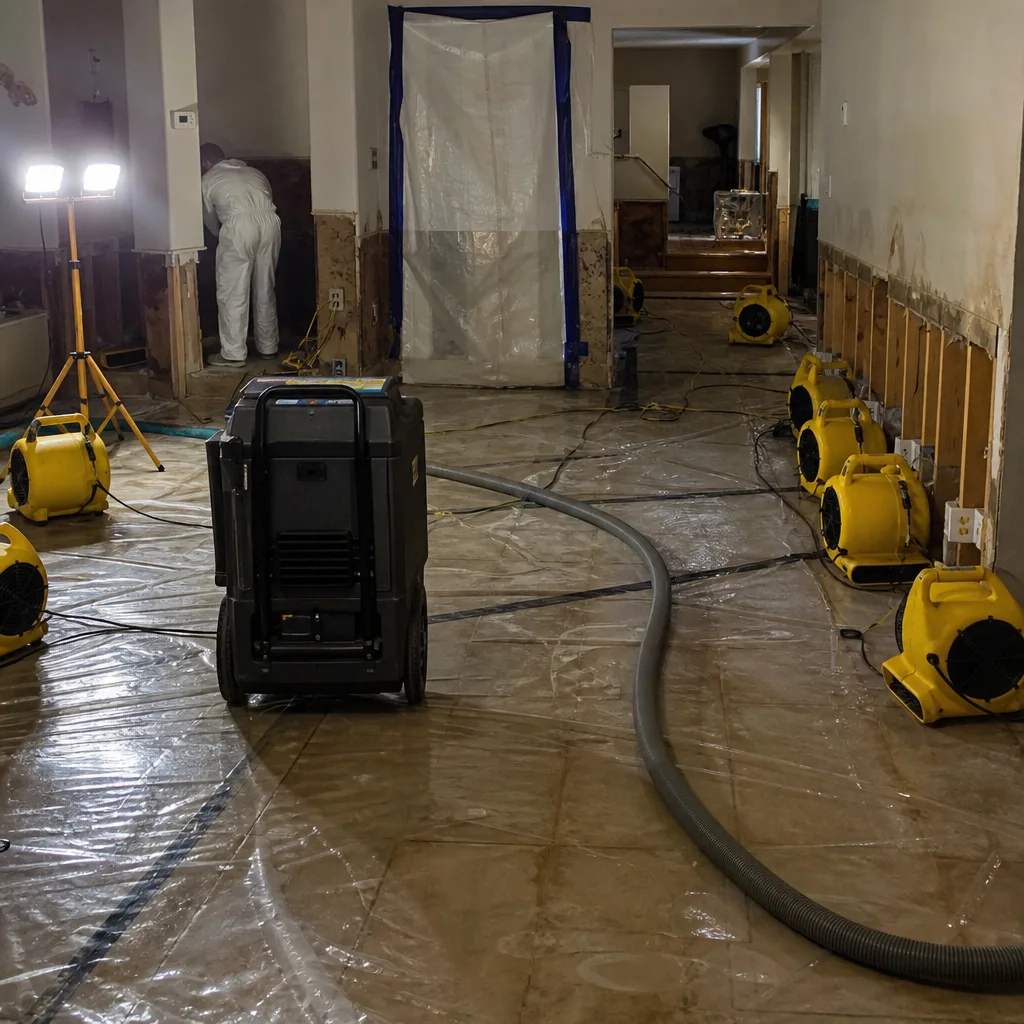
This is the service that matters most in Druid Hills because of what the walls are made of. Original lath-and-plaster holds water differently than drywall, and it cannot be force-dried without cracking. We use Injectidry systems that move air through wall cavities at low pressure, paired with Phoenix and B-Air dehumidifiers sized to the room’s cubic volume. Moisture readings are logged daily until the dry standard is met, and the homeowner and carrier both receive that log. In a 1930s Colonial on a parkway lot, that log is often the difference between a clean claim and a preservation-review headache.
Flood Cleanup & Finished Basement Water Removal
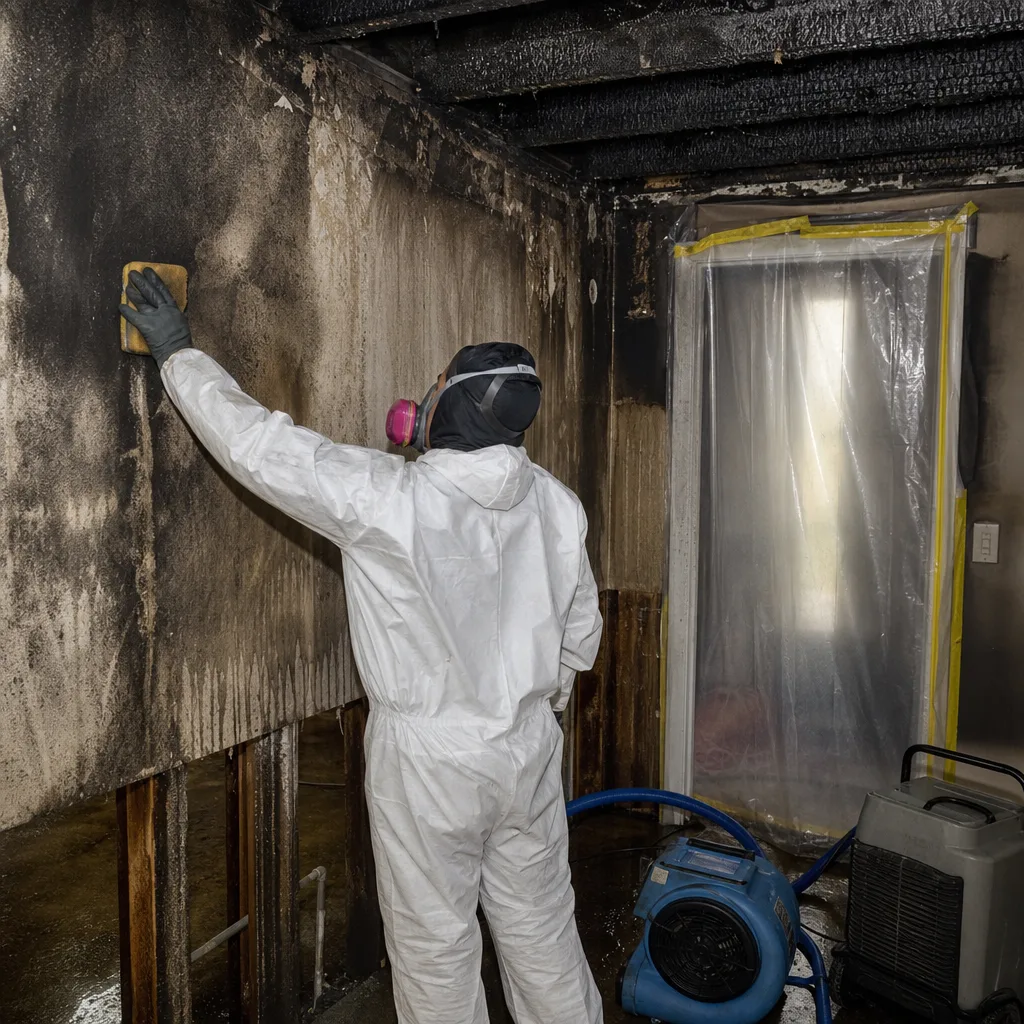
Druid Hills homes along the Olmsted linear parks sit on sloped lots where the original landscape design intentionally channels water. After a heavy Atlanta thunderstorm, water that sheets off a parkway can find its way down a decades-old grade settlement and straight against a 100-year-old rubble-stone foundation wall. We see finished basement floods in Druid Hills where the source isn’t a plumbing failure at all, it’s stormwater. Our teams remove the water, dry the space, and then work with you on the grading and drainage corrections that stop the next event before it starts.
Burst Pipe Restoration
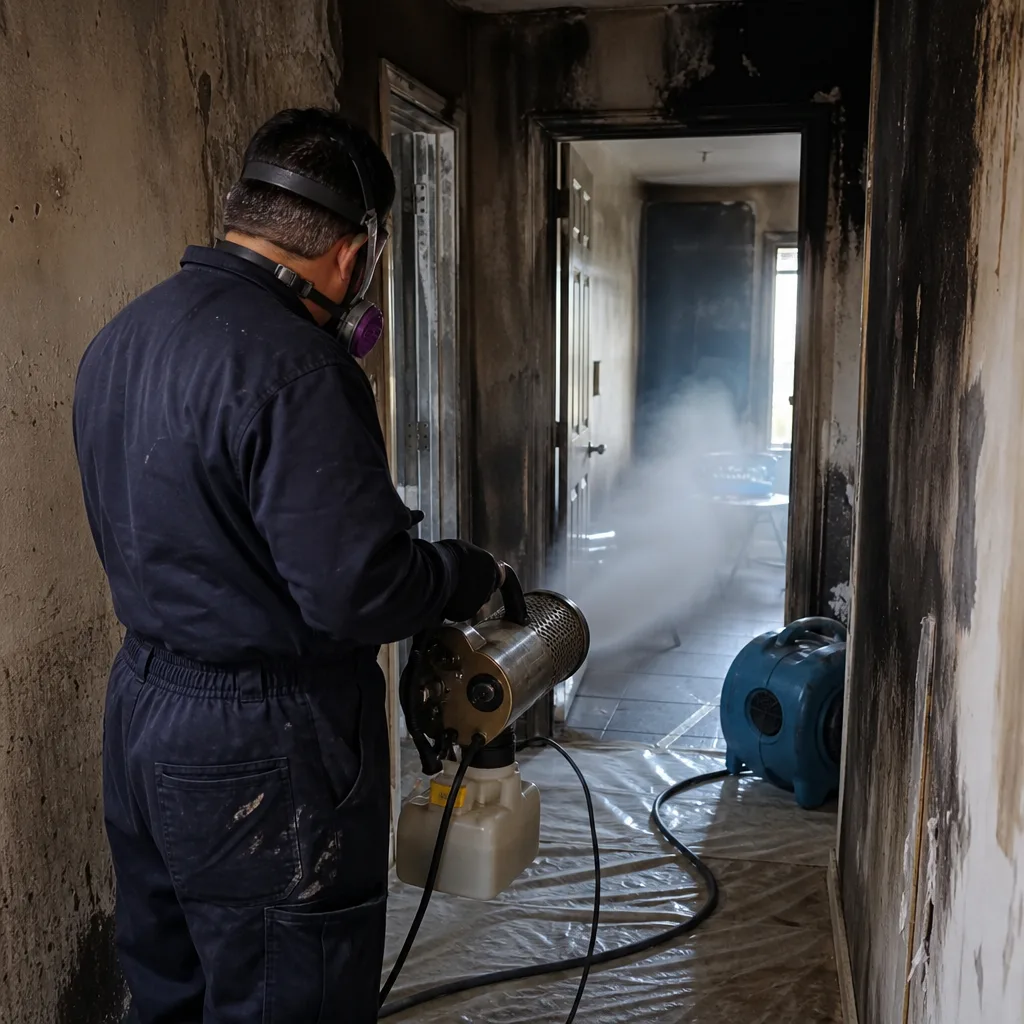
Cast iron and early galvanized supply lines in Druid Hills homes are past their intended service life. When they fail, they fail all at once, usually on a cold winter night. We handle the extraction, the structural drying, and the repair scope, and we coordinate directly with your insurance carrier on the claim. If the repair involves replacing original cast iron with modern materials, we flag the DeKalb preservation review question before the work starts, so the job doesn’t stall mid-project.
Ceiling & Roof Leak Water Damage
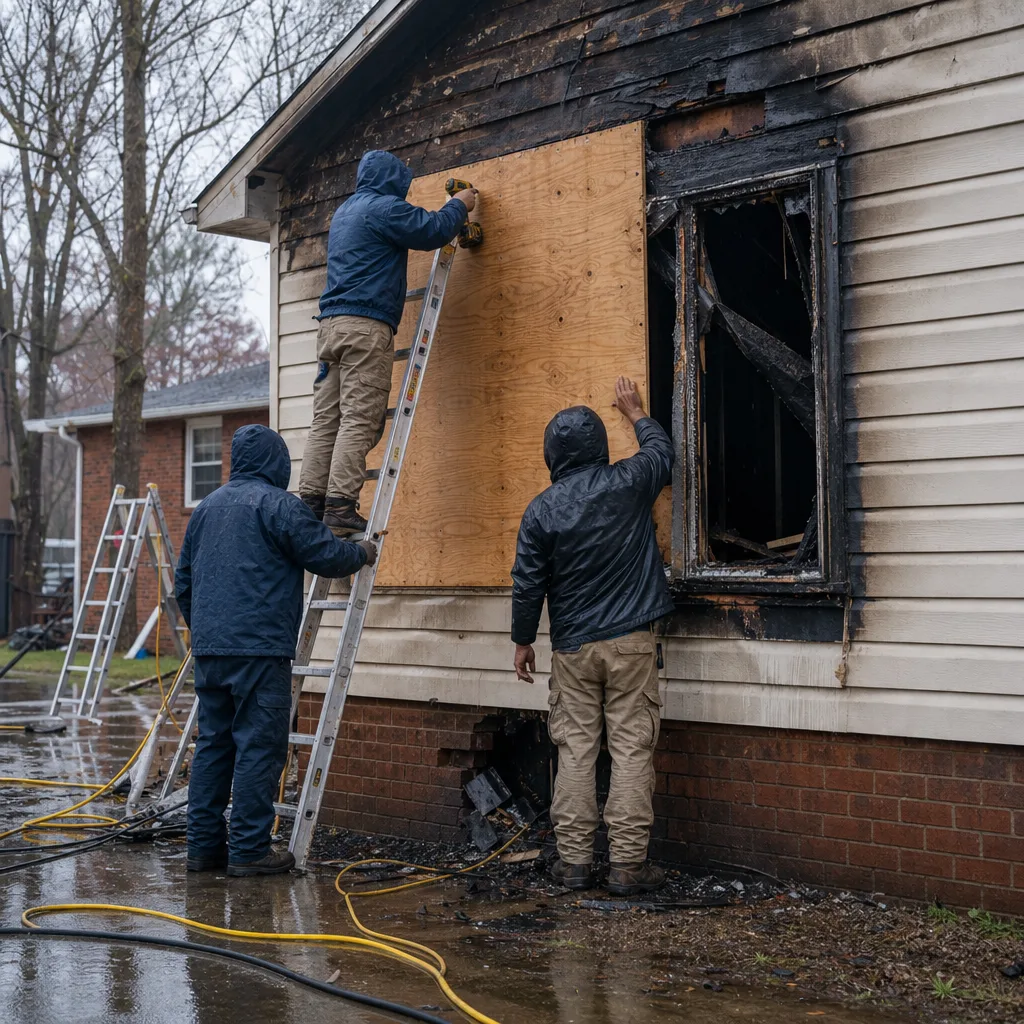
Druid Hills has one of the densest concentrations of century-old hardwood trees in metro Atlanta. When a storm drops a limb or an entire oak through a roof, water moves fast through the structure. We stabilize the damaged area, extract what’s reachable, and dry the ceiling and wall cavities in place where the original plaster can be saved. That approach matters here because any unnecessary tear-out of original plaster or millwork can require county approval before replacement materials go in.
What happens when you call
- 1
A real person answersNo phone trees - you reach a local pro.
- 2
You get an upfront price rangeHonest numbers before anyone is dispatched.
- 3
A background-checked tech heads outLicensed & insured, dispatched right away.
- 4
You approve before work beginsNothing starts until you say go.
Trusted Equipment, Handled by People Who Know These Houses
We run professional-grade equipment from Dri-Eaz, Phoenix, and XPOWER on Druid Hills jobs, and we choose which systems to deploy based on the house, not on what’s on the truck. A 1920s Cottage with original plaster walls gets low-pressure Injectidry drying. A modern addition off the back of a 1940s foursquare can handle conventional air movers. The difference matters, and we stock the parts and filtration components that let our Druid Hills crews start work on the first visit instead of making a parts run back to the shop. You shouldn’t have to know which dehumidifier is right for heart-pine framing. That’s our job.
Common Water Damage Restoration Problems We See in Druid Hills Homes
- Storm-felled limbs through roofs and walls. The tree canopy here is part of what makes Druid Hills beautiful, and it’s also what sends limbs through 1910s and 1920s roofs during summer convective storms. Water enters fast and usually reaches a finished basement or a first-floor ceiling within minutes.
- Basement flooding from redirected runoff. Homes along the Olmsted parkways sit on sloped lots where decades of settling have changed how water moves. We frequently find that a finished-basement flood wasn’t from a burst pipe but from sheet flow running against a rubble-stone foundation wall.
- Aggressive drying that cracks original plaster. A restoration company without historic-home experience will run air movers at full speed and leave hairline cracks in 100-year-old lath-and-plaster. Preservation review flags those cracks, and the repair scope grows.
- Cast iron plumbing failures. Original cast iron drain and supply lines in Druid Hills homes are decades past their expected life. When they go, the flood is often substantial, and the repair can involve preservation review if original materials are replaced.
Pricing for Water Damage Restoration in Druid Hills, GA
Water damage restoration in Druid Hills runs a real range, and it’s driven by the size of the affected area, what materials got wet, and how long the water sat before we arrived. A straightforward burst-pipe extraction with drying in a 1930s kitchen or basement typically runs between $2,100 and $4,400. A finished basement flood from stormwater runoff usually lands in the $3,500 to $6,500 range once you account for carpet, pad, baseboards, and drying time. Ceiling and roof leak damage that involves original plaster and a preservation review on the back end runs higher, often $5,000 to $8,000 or more, because the drying has to be done carefully and the repair scope has to align with county requirements. We give you a written scope before work starts. We bill your insurance directly. Estimates are free, and you can call (888) 832-2758 for an exact number on your situation. The 90-Day Done Right Promise is in writing on every job we do in Druid Hills.
Serving Druid Hills, GA - Our Local Coverage Area
We’re based in the Druid Hills area and know this community well. Use the map below to see our service coverage - if you’re nearby, we can almost certainly help.
Frequently Asked Questions - Water Damage Restoration in Druid Hills
DeKalb County’s historic preservation review applies to most homes in Druid Hills built between the 1910s and 1940s, and it governs how original plaster, old-growth millwork, and masonry can be repaired or replaced. If your water damage requires replacing those materials, the county may need to review and approve the scope before work proceeds. Our crews know which repairs trigger review and plan the drying and mitigation work so that original materials are preserved wherever possible, which often keeps your job outside the review process entirely. Call (888) 832-2758 and we’ll walk you through what applies to your house.
Yes, in most cases we can dry original lath-and-plaster walls in place using low-pressure Injectidry systems that move air through the wall cavity without the aggressive force that warps and cracks old plaster. This approach works well on the 1910s-1940s homes that make up most of Druid Hills, and it often means you avoid the full tear-out that would trigger DeKalb’s preservation review. We take daily moisture readings and give you and your carrier the log so the dry standard is documented, not guessed at.
Yes, finished basement floods from stormwater runoff are one of the most common calls we get in Druid Hills, especially on homes along the Olmsted linear parks and near Peavine Creek. The original landscape design and decades of grade settlement can direct sheet flow against rubble-stone foundations after a heavy rain. We extract the water, dry the space, and identify the drainage correction needed so the next storm doesn’t do the same thing all over again.
Yes, our drying equipment is selected based on the materials in your home, and old-growth heart-pine framing is dense, stable wood that responds well to gradual, controlled drying. We use Phoenix and B-Air dehumidifiers sized to the room, paired with low-pressure drying where the wall assembly includes original plaster or other fragile elements. The goal is to reach the dry standard without shocking century-old materials into cracking, warping, or splitting.
Call us at (888) 832-2758 first - a live dispatcher answers 24/7 and can have a crew on the way to Druid Hills within an hour. Then, if you can do it safely, shut off power to the affected area and move valuables out of the water’s path. Don’t try to tarp the roof yourself if the limb is still in place or if the roof is unstable. Our technicians stabilize the area, extract what’s reachable, and start drying the structure, with preservation-sensitive methods if your home’s original plaster or millwork is involved.
We Also Serve Cities Near Druid Hills
Floodline Restoration Co. serves Druid Hills and the surrounding communities, including North Decatur, Atlanta, Gresham Park, and North Druid Hills. If you’re in one of those areas and dealing with water damage, the same live dispatch, certified crews, and written guarantee apply. Call (888) 832-2758 and we’ll get someone to you fast.
Call Floodline Restoration Co. for Water Damage Restoration in Druid Hills
If water is in your Druid Hills home right now, call (888) 832-2758. A live dispatcher answers at any hour, and a certified, background-checked crew can reach your door quickly. We’ll assess the damage, give you a written scope before work starts, and handle the insurance billing directly. Done right - and backed in writing.
Written by Curt Bowman, Owner at Floodline Restoration Co., serving Druid Hills and metro Atlanta.