
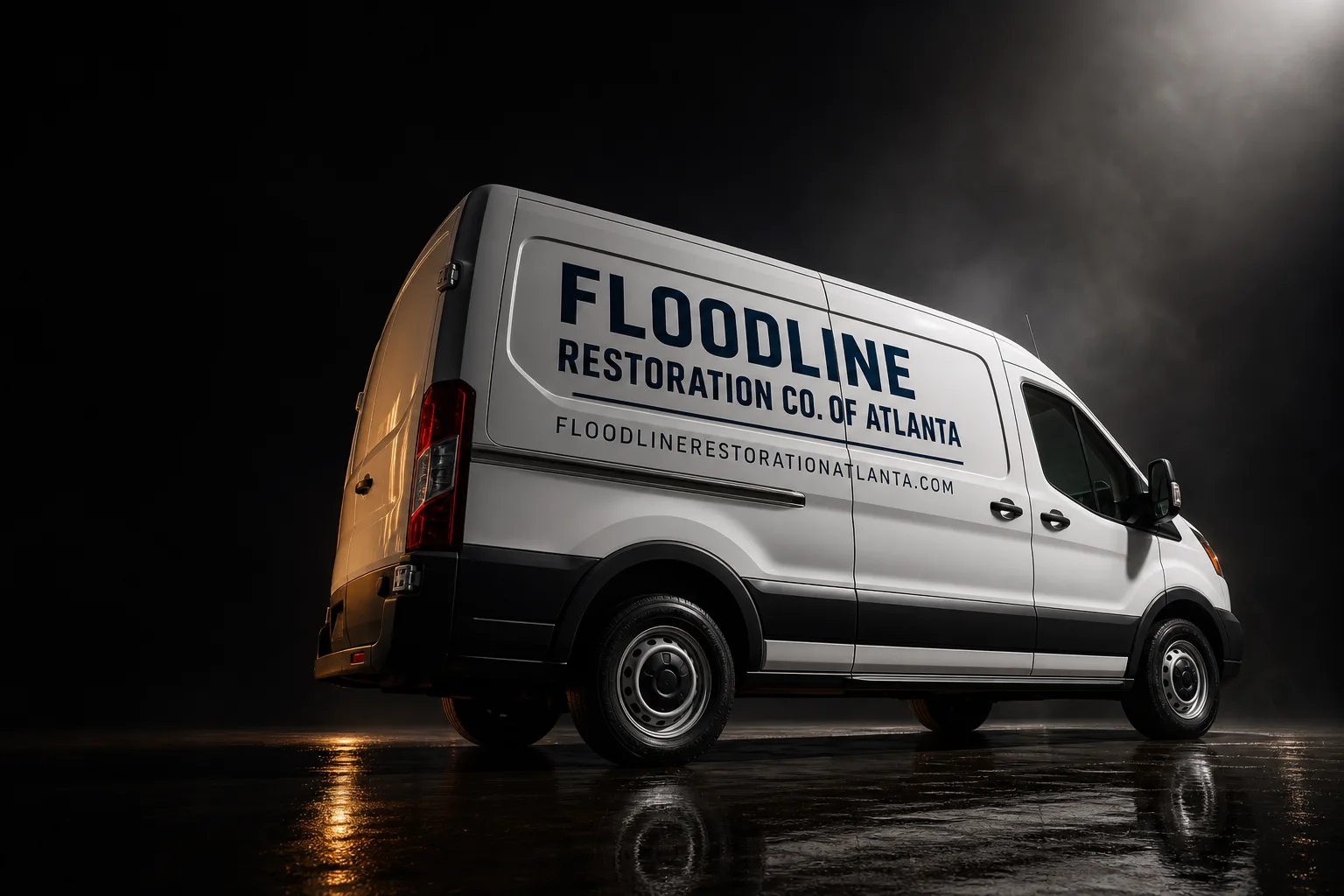
Fast, Reliable Storm & Disaster Restoration Across Druid Hills
When a storm drops a century-old oak through your roof or sends Peavine Creek over its banks toward your foundation, you need a crew that knows Druid Hills housing stock down to the lath and plaster. Our Storm & Disaster Restoration team reaches most Druid Hills addresses within the hour, because our dispatch board is built around getting a certified tech to your door with extraction running the same visit. Call (888) 832-2758 any hour, any day. A live person answers. We have been answering that phone through 42 years of Atlanta storms, and we know exactly what a 1920s Tudor revival on Lullwater Road needs when water is coming in.
Druid Hills is not just any neighborhood. It is a Frederick Law Olmsted-designed historic suburb with some of the densest century-old hardwood canopy in the metro, and that changes everything about storm restoration. The homes are old. The trees are older. The drainage is intentional and, after a century of settling, often working against you. We know that, because we work here all the time.
Why Floodline Restoration Co. of Atlanta Is Druid Hills’s Preferred Storm & Disaster Restoration Company
Homeowners in Druid Hills have a particular expectation: do the work right, do not butcher the historic fabric, and stand behind it. That is how our founder, Curt Bowman, built Floodline Restoration Co. in 2010, around a dispatch board, not a sales desk. Every job carries the 90-Day Done Right Promise in writing. If it is not done right, we make it right. No paperwork battles. That is the Keystone Standard, and it is the same guarantee on a roof tarp as it is on a full rebuild.
Our techs are background-checked, uniformed, and trained to IICRC, RIA, and IFA standards. We run Dri-Eaz, Phoenix, and Injectidry equipment, moisture-mapped from day one, with daily readings logged until the dry standard is met. The homeowner and the carrier receive that log. No guessing. No hiding. A square deal, and the bill is handled directly with your insurance carrier, so you are not playing messenger between us and your adjuster.
Response time to Druid Hills matters when water is moving through original plaster-on-lath walls. We dispatch from our Atlanta office to Druid Hills addresses every day, and a live person picks up the phone at 2 a.m. That is not a slogan. It is how the company is built.
Our Storm & Disaster Restoration Services in Druid Hills
Storm Damage Cleanup
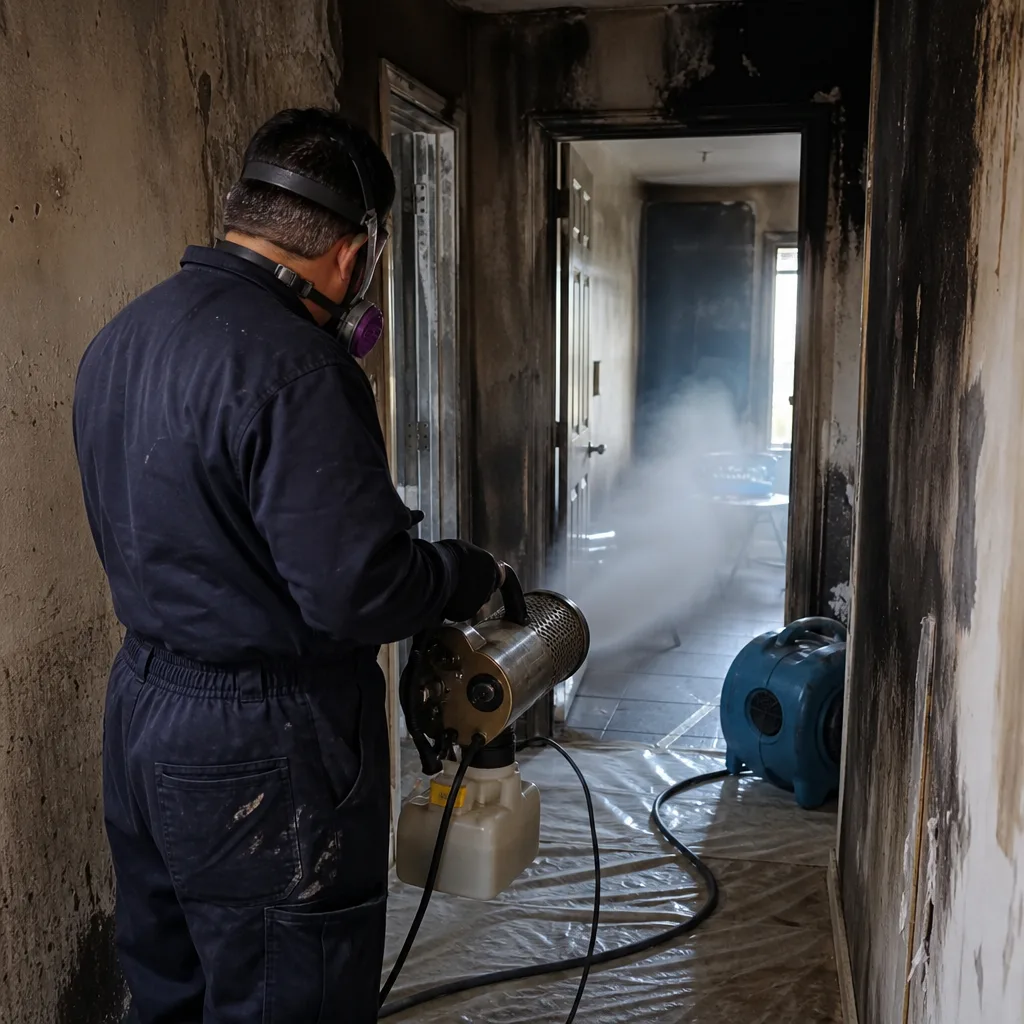
After wind and falling limbs tear through the canopy over Emory, Lullwater, and Springdale roads, we handle the full cleanup: debris removal, damaged tree-material clearing, and water extraction, all documented for your carrier. On a 1920s Colonial revival, cleanup is not just hauling wet drywall. It means protecting original millwork while we work, because DeKalb County may require that millwork to be repaired rather than replaced.
Flood Damage Restoration
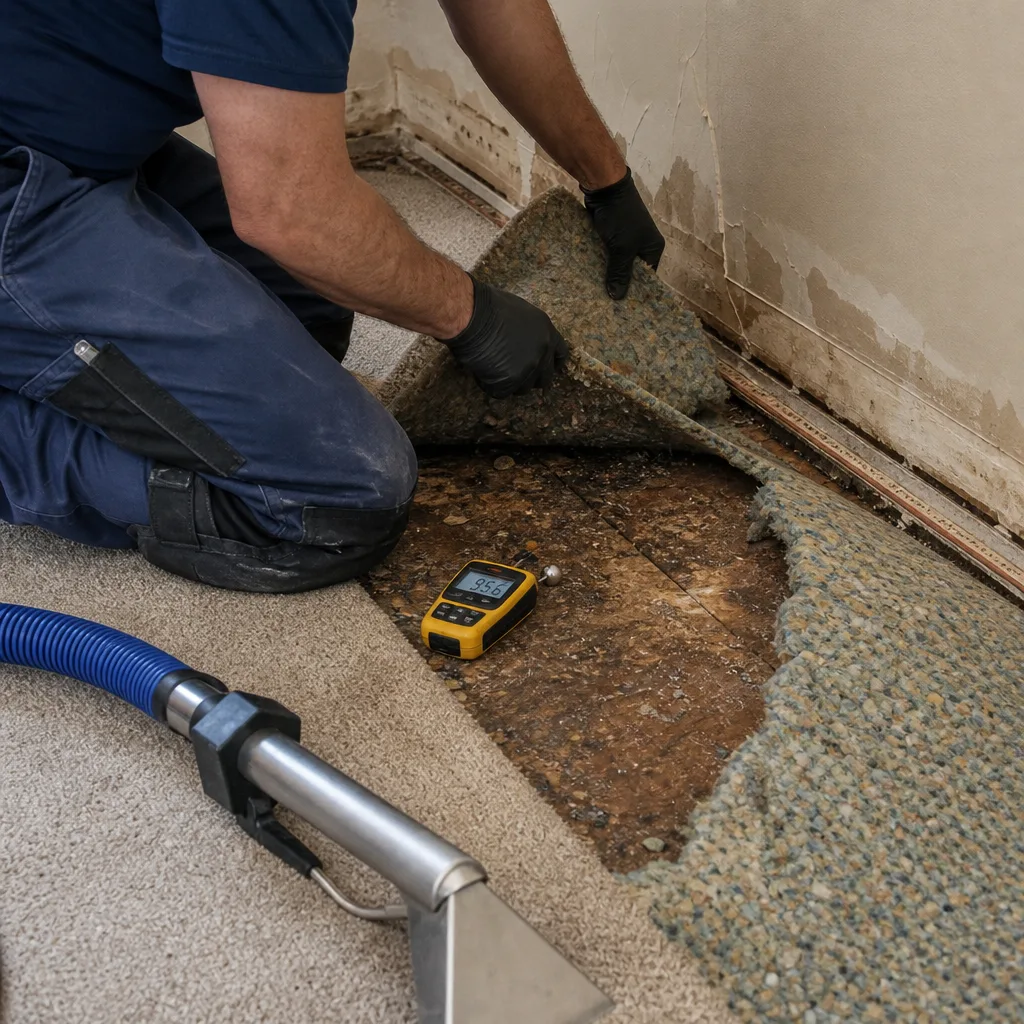
Basement flooding in Druid Hills is often not a plumbing failure. The Olmsted parkway stream corridors, including Peavine Creek, concentrate stormwater runoff directly against the foundations of adjacent homes. Sloped Piedmont lots with decorative landscaping that intentionally channels water mean that after a heavy rain, sheet flow can head straight for a 100-year-old rubble-stone foundation wall. We read the moisture map, run extraction, and dry to the standard, but we also look hard at the grade. If the drainage is working against the house, we will tell you plainly.
Emergency Board-Up
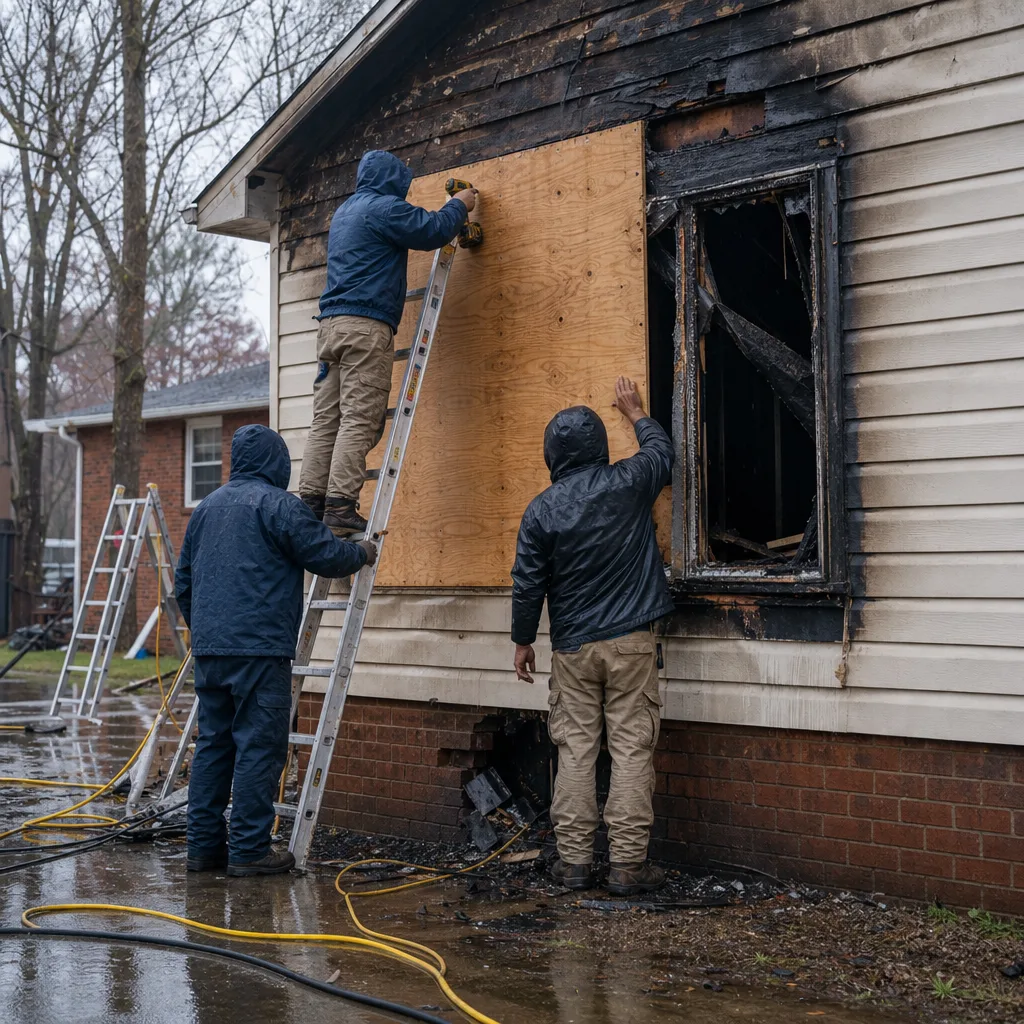
When a limb comes through a wall at midnight, the opening needs to be secured before rain, animals, or trespassers make it worse. We board up openings in Druid Hills homes the same visit, using methods that do not further damage 1910s-to-1940s brick and plaster. If your home is under DeKalb County historic preservation review, we photograph and log everything before and after the board-up, because the reviewer will ask.

Roof Tarping
A tarp is a temporary roof, and on an old-growth heart-pine roof deck, it is the difference between a controlled job and a growing one. We tarp within hours in Druid Hills, not days. Our crew carries the materials in the truck. For homes within the historic district, we use tarping methods that do not drive fasteners through original slate or tile where it can be avoided. The goal is to protect the home now and still pass the county review later.
What happens when you call
- 1
A real person answersNo phone trees - you reach a local pro.
- 2
You get an upfront price rangeHonest numbers before anyone is dispatched.
- 3
A background-checked tech heads outLicensed & insured, dispatched right away.
- 4
You approve before work beginsNothing starts until you say go.
Trusted Brands We Service in Druid Hills
We run professional-grade drying and extraction equipment from Dri-Eaz, Phoenix, and Injectidry, and we stock the parts and consumables those systems need for fast turnaround in Druid Hills. If a blower goes down mid-dry in a 1920s Craftsman foursquare, we are not waiting on a shipment from out of state. The same crew that set the moisture map on day one stays on the job through daily readings and dry-standard sign-off, which means the equipment is operating correctly from start to finish.
Common Storm & Disaster Restoration Problems We See in Druid Hills Homes
- Plaster-on-lath cracking from modern drying equipment. Drying chambers that work beautifully on modern drywall can push original plaster past its limit. We see restoration crews crack and warp irreplaceable walls because they treat a 1925 home like a 2005 one. In Druid Hills, that often violates DeKalb County’s historic preservation review, and the repair becomes far more expensive than the flood was.
- Recurring finished-basement floods with no plumbing leak. The water often comes from grade settlement directing sheet flow straight toward a rubble-stone foundation wall, not from a broken pipe. If the drainage is not corrected, the basement will flood again with every heavy rain.
- Emergency board-up methods that damage original brick or millwork. Driving anchors into century-old brick can create damage the county will flag during review. The board-up has to be done right on the first visit, or the entire repair becomes a compliance headache.
- Delayed coordination with DeKalb County on original millwork and masonry. Contractors who replace damaged old-growth wood framing with dimensional lumber, or re-point brick with the wrong mortar, often have to rip it out and redo it to historic standards. That costs Druid Hills homeowners weeks and thousands of dollars.
Pricing for Storm & Disaster Restoration in Druid Hills, GA
A typical storm cleanup and board-up in Druid Hills runs $850 to $2,400, depending on how much debris is down and how large the opening is. Roof tarping on a 1920s Tudor or Craftsman typically runs $400 to $900, with slate or tile roofs on the higher end because of the care required to avoid further fastener damage. Flood damage restoration with full extraction and drying on a finished basement commonly runs $3,200 to $8,600 in this area, with more extensive hydrostatic repairs pushing higher. Emergency board-up alone usually lands between $450 and $1,200. You will get a written scope before any work starts, and the estimate is free. Call (888) 832-2758 and we will come look.
We Also Serve Cities Near Druid Hills
Floodline Restoration Co. of Atlanta works throughout this side of DeKalb County, from North Decatur and Druid Hills proper to Atlanta, Gresham Park, and North Druid Hills. If you are just outside the historic district and wondering whether we cover your block, call. We probably do.
Serving Druid Hills, GA - Our Local Coverage Area
We’re based in the Druid Hills area and know this community well. Use the map below to see our service coverage - if you’re nearby, we can almost certainly help.
FAQs - Storm & Disaster Restoration in Druid Hills
DeKalb County’s historic preservation review governs how original plaster, old-growth millwork, and masonry can be repaired or replaced, and that includes temporary measures like board-up and tarping. The review process means that what another contractor does in Decatur without a second thought can require documentation, specific materials, and certain fastening methods in Druid Hills. Our crew photographs and logs everything before and after the board-up, uses least-damage tarping methods, and coordinates with the county so your emergency work does not become a compliance problem later. Call (888) 832-2758 and we will walk you through it.
The likely cause is stormwater runoff channeled by the Olmsted-designed stream corridors and sloped Piedmont lots toward your foundation wall. Peavine Creek and the other parkway drainages concentrate sheet flow directly against adjacent homes, and decades of grade settlement often direct that water straight into a 100-year-old rubble-stone foundation. It is a recurrent restoration scenario in Druid Hills, not a rare event, and fixing it usually means addressing grade and drainage rather than chasing phantom plumbing leaks. We will give you a straight answer and a written scope before any work begins.
Yes, but only if the drying plan is adjusted for historic fabric. Full-blast modern drying on original plaster-on-lath walls can cause irreversible cracking and warping, which not only damages your home but also violates DeKalb County’s historic preservation review. We use Dri-Eaz drying chambers and Phoenix equipment with controlled humidity and staged temperature settings, plus daily moisture readings, to dry the walls without pushing the plaster past its limit. The moisture log goes to you and your carrier, and the dry standard is met before we stop.
You should have a tarp on the opening within hours, not days, because water entering through a breached roof wrecks original plaster and framing fast. For Druid Hills homes under historic review, the county looks for tarping methods that avoid driving fasteners through original slate, tile, or decorative rafter tails where that can be avoided. We carry the materials in our trucks and deploy them the same visit, using least-damage anchoring and documenting the entire process for the county file. Call (888) 832-2758 and a live person will dispatch a crew now.
Yes. The Olmsted stream corridors, including Peavine Creek, concentrate runoff against the foundations of adjacent homes year-round, but winter ice events add a different failure: frozen downspouts and blocked drains push meltwater sideways instead of away, straight into hydrostatically loaded rubble-stone foundation walls. Decatur homes without these linear parks simply do not get the same channelized sheet flow. If your Druid Hills basement floods during an ice event and there is no plumbing leak, the drainage system is the place to look first, and we will map it for you.
Written by Curt Bowman, Owner at Floodline Restoration Co. of Atlanta, serving Druid Hills and the surrounding DeKalb County area.